
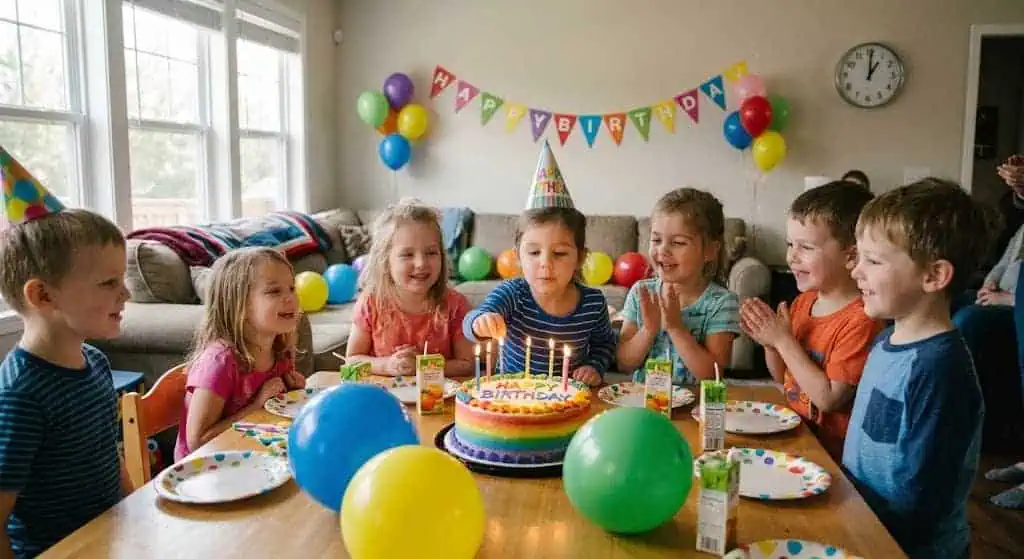
kids birthday party start time
Picture this: it’s 12:30 PM, the balloon garland is up, the cake is centered on the table, and the birthday girl — who turned two this morning — is face-down on the living room rug, sobbing, because the party landed smack in the middle of her nap window. Half the guests haven’t arrived yet. The other half are toddlers who also skipped naps for this.
I’ve watched a version of that scene play out at more parties than I can count, and here’s the thing: it was never the theme, the food, or the decorations that went wrong. It was the start time. The best time for a kids birthday party comes down to three things — nap schedules, meal expectations, and how long kids that age can actually hold it together. Get those three right and a $150 party feels effortless. Get them wrong and a $500 party falls apart by hour one.
Honestly? Parents agonize over themes for weeks and pick the time in five seconds. It should be the other way around. So before you pick a theme, pick a time. Here’s exactly what works for every age, and why.
Why does the start time matter more than the theme?
The start time quietly decides two things: your child’s mood and your food bill.
A party that starts at 11:30 AM tells every guest “lunch is coming.” That’s $10–$14 per person you just committed to without noticing. A party that starts at 2:00 PM says “cake and snacks” — closer to $4–$6 per person. For 15 kids plus lingering parents, that single decision swings your budget by $120–$180. Don’t underestimate that — it’s the difference between a homemade cake and a bakery one, or the bounce house rental you talked yourself out of.
And for kids under five, the clock is even less forgiving. Most toddlers nap somewhere between 12:00 and 3:00 PM. Schedule inside that window and you’re not hosting a party — you’re hosting a meltdown with streamers.
Best Party Start Times by Age: Quick Reference
Related on Party & Beyond: Camping birthday party ideas · Birthday party ideas for 13 year old girls
| Age | Best Start Time | Duration | Food Expected | Cost Per Guest |
|---|---|---|---|---|
| 1st birthday | 10:00–11:00 AM | 60–90 min | Coffee, pastries, smash cake | $4–$6 |
| Ages 2–3 | 10:00 AM or 3:30 PM | 90 min | Light snacks + cake | $4–$6 |
| Ages 4–5 | 11:00 AM or 2:00 PM | 1.5–2 hrs | Lunch (if 11 AM) or snacks | $4–$14 |
| Ages 6–9 | 2:00–4:00 PM | 2 hrs | Snacks + cake only | $4–$6 |
| Ages 10–12 | 3:00 PM or 5:00 PM | 2.5–3 hrs | Dinner (if 5 PM start) | $8–$14 |
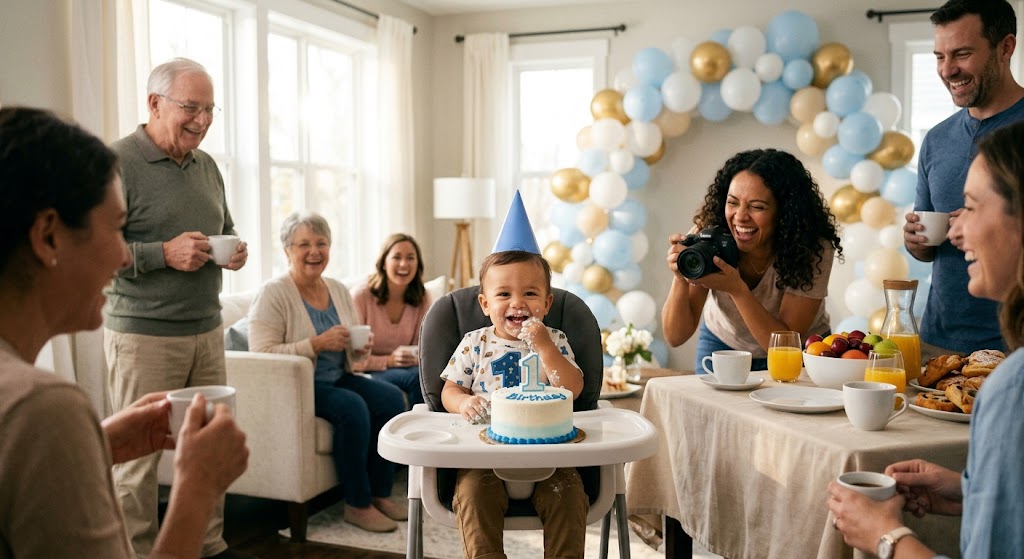
What time should a 1st birthday party start?
Start at 10:00–11:00 AM, or 3:30–4:30 PM. Never in between. Best for: babies, grandparents, and anyone who wants usable photos.
Can we be honest about first birthdays for a second? They’re parties for adults with a baby as the guest of honor — and the guest of honor runs on a strict sleep schedule. The morning slot catches most babies after their first nap, at peak smiley-photo mood. The late-afternoon slot works if your baby’s long nap reliably ends around 3:00. “Reliably” doing a lot of work in that sentence, as any parent of a one-year-old knows.
Keep it to 60–90 minutes, total. Trust me on this: one hour of a happy baby beats three hours of an overtired one, and your photos will prove it.
Done right: 10:00 AM start, smash cake at 10:45, everyone out by 11:30, baby down for the noon nap like nothing happened. Done wrong: 1:00 PM start “so people can sleep in,” baby skips the nap, screams through the smash cake, and the only usable photo is the balloon arch.
Morning bonus: a 10:00 AM start means coffee, juice, fruit, and pastries — about $4–$6 per guest — instead of a full lunch spread. Nobody has ever left a first birthday saying “I wish there’d been more food.” The smash cake is the main event anyway.
What’s the best time for a toddler party (ages 2–3)?
10:00 AM to 12:00 PM, or 3:30 to 5:30 PM. The 12:00–3:00 PM stretch is the danger zone. Best for: nap-schedule survival — yours and every guest’s.
Here’s what nobody warns you about toddler parties: it only takes one overtired two-year-old to set off a chain reaction. One cries, two more join in sympathy, and suddenly the bounce house is a crying house. And here’s the part people miss — every toddler guest is on roughly the same nap schedule as yours. Dodge the nap window and you’re dodging it for the entire guest list. Schedule inside it and you’ve invited eight ticking time bombs to the same living room.
Keep it to 90 minutes. Toddlers hit a wall fast, and here’s the magic: a party that ends while everyone’s still happy is a party parents remember as “so well organized” — even if all you actually did was end on time. I’m only half joking when I say the end time is the best party trick I know.
What time works for ages 4–5?
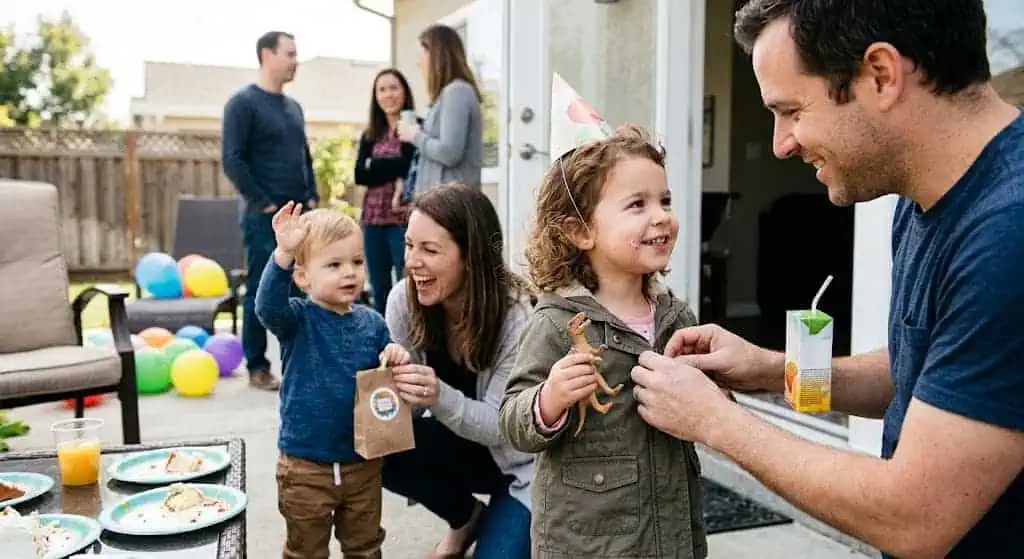
11:00 AM–1:00 PM or 2:00–4:00 PM both work — naps are mostly gone, so the clock finally opens up. Best for: flexible schedules; go earlier for peak energy, later for a smaller food bill.
Four- and five-year-olds run hottest mid-morning and crash late afternoon, so if you’re choosing, I lean earlier. Plan for 1.5–2 hours: enough for one organized game, free play, cake, and presents, without the dreaded last-30-minutes chaos when the sugar peaks and the patience doesn’t. You know that stretch — the game nobody wants to play, the wrapping paper everywhere, one kid crying about a goody bag. Every minute past two hours makes it more likely.
One warning about that 11:00 AM slot — it’s lunch. Pizza for 15 kids plus hovering parents runs $80–$120 before you’ve bought a single balloon. If the budget’s tight, start at 2:00 PM instead. Same fun, half the food bill.
What’s the best time for ages 6–9?
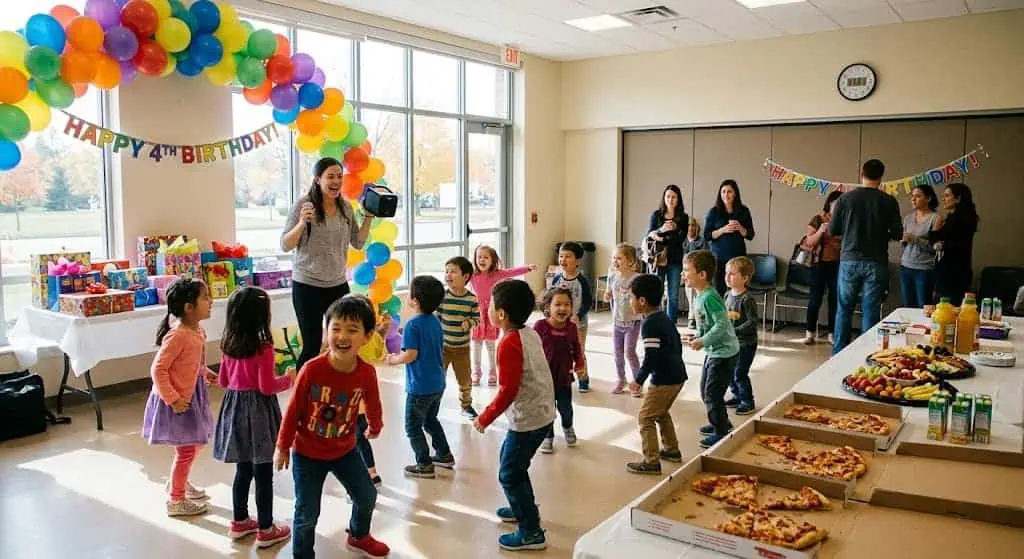
2:00–4:00 PM on a Saturday. If I could only recommend one time slot on the entire clock, this is it — and 9 times out of 10, it’s the one I suggest first. Best for: drop-off parties and budget-friendly hosting.
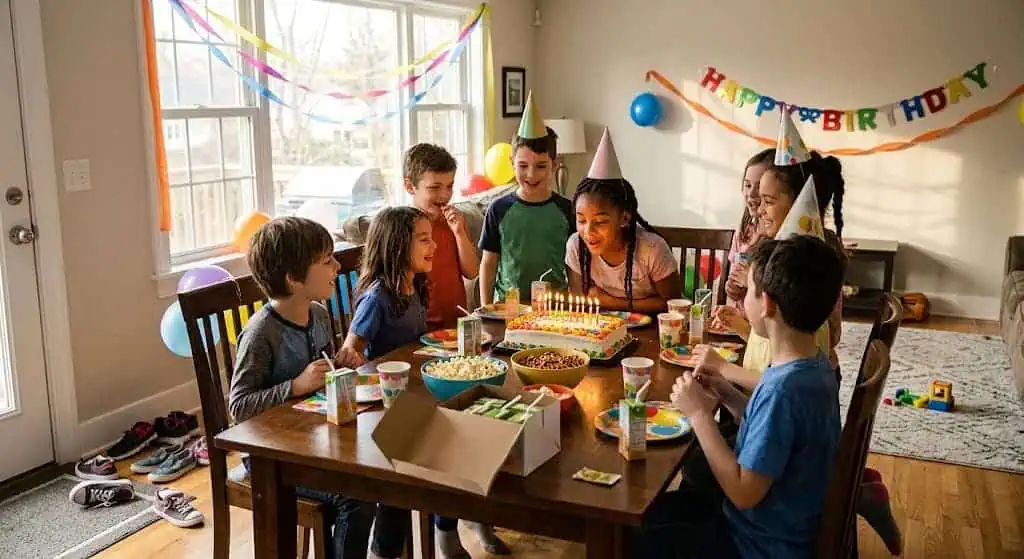
This is also the age drop-off parties begin, which changes everything: you’re feeding and managing kids only, not their parents. A 2:00 PM start means everyone arrives already fed, nobody expects dinner, and two hours is exactly how long a group of eight-year-olds stays fun. Snacks, cake, juice boxes — done for $4–$6 a head.
Put the end time on the invitation. “2:00–4:00 PM” isn’t rude; it’s a gift to every parent planning their Saturday around pickup. If you’re hosting a drop-off party, listen up: parents will love you for a firm pickup time far more than they’ll ever notice your centerpieces.
What time should a party start for ages 10–12?
3:00–6:00 PM, or push into the evening — 5:00–8:00 PM — for the big-kid feel. Best for: tweens who want a “not a kid party” party.
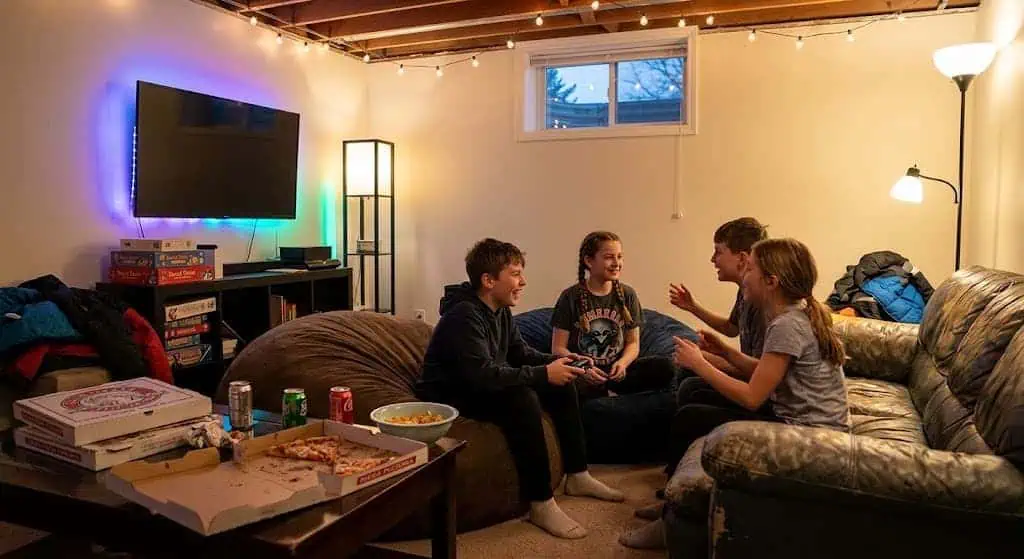
Tweens want their parties to feel less like a kid party, and honestly, a later start does half that work for you before you’ve spent a dollar. A 5:00 PM start does commit you to dinner (pizza, again, $80–$120), but you can stretch to 2.5–3 hours because this age group actually gets better as the party goes on, not worse — the opposite of every younger age. Evening slots also flow naturally into a sleepover for the inner circle. Just be crystal clear on the invite about who’s staying and who’s getting picked up at 8:00, or you’ll be fielding confused parent texts at 7:45.
Should you pick Saturday or Sunday?
Saturday afternoon gets the highest yes-rate on RSVPs, and in my experience it’s not even close.
Sunday parties fight two battles: morning slots compete with church and sports leagues, and afternoon slots come with “school tomorrow” energy — guests start peeling off early and parents check their watches at cake time. If Saturday’s taken, a Sunday 1:00–3:00 PM slot is your safest fallback.
And don’t sleep on weekdays for school-age kids. Hot take: a 4:00–6:00 PM after-school party on a Thursday is one of the most underrated moves in party planning. It feels like a genuine event to a seven-year-old — a party on a school day! — and venues often charge 20–30% less than their weekend rates for the exact same package. Same trampolines, same party room, smaller bill.
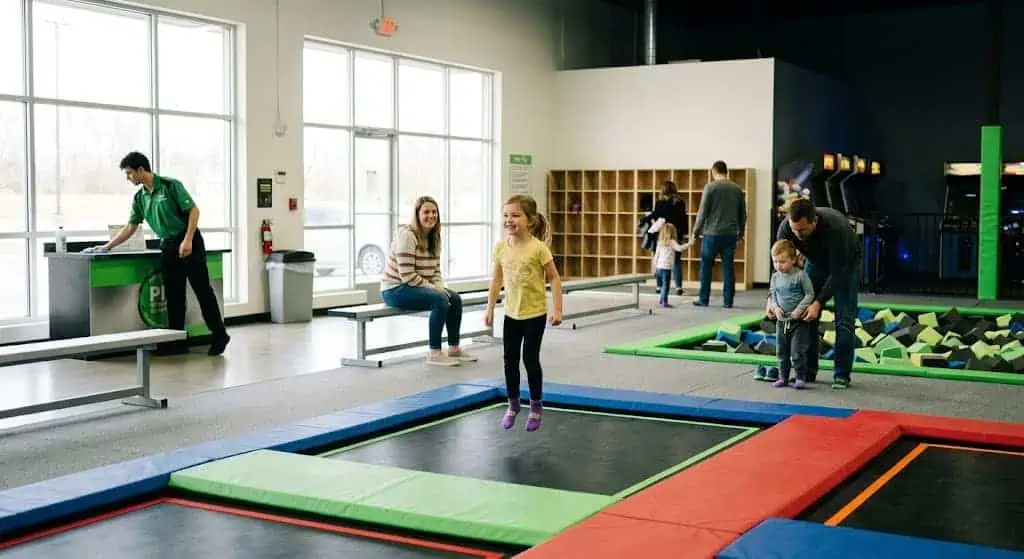
Pro Tip: Booking a venue like a trampoline park or play gym? Take the first slot of the day — usually 10:00 AM. The equipment’s freshly cleaned, the place is empty, and the staff are at their most patient. The 2:00 PM Saturday slot at those places is beautiful chaos; the 10:00 AM slot feels like you rented the whole building.
How long should a kids birthday party last?
Shorter than you think. Almost always shorter than you think.
- Age 1: 60–90 minutes
- Ages 2–4: 90 minutes
- Ages 5–9: 2 hours
- Ages 10–12: 2.5–3 hours
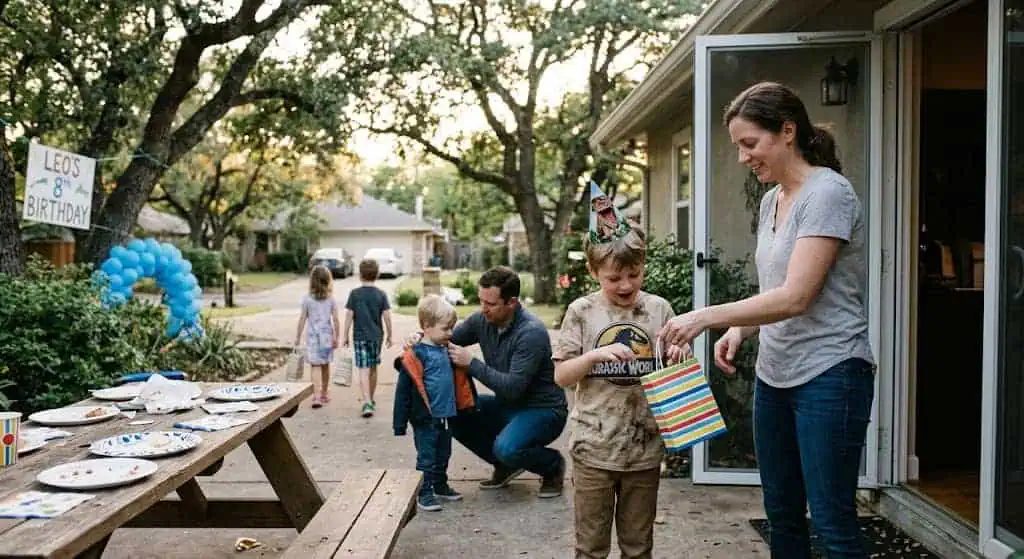
And here’s the magic: an end time printed on the invitation protects everyone. The kids leave before the meltdown, the parents can plan their day, and you’re not smiling through gritted teeth at 5:40 PM while one family shows zero signs of leaving. Every host I know who skipped the end time regretted it exactly once — then never again.
Done right: “2:00–4:00 PM” on the invite, goody bags handed out at 3:50 as a gentle signal, house quiet by 4:15. Done wrong: “Party starts at 2!” with no end, stragglers at 5:30, birthday kid in tears, host reheating coffee for the third time.
Pro Tip: Hosting outdoors in summer? Start before 11:00 AM or after 4:00 PM to dodge peak heat — otherwise it’s melted frosting and sweaty, cranky kids by 1:00 PM. Winter parties: keep it 1:00–3:00 PM so guests drive home in daylight.
Common mistakes with party start times
Scheduling inside the nap window (under age 4). The 12:00–3:00 PM slot looks convenient on paper and fails in practice. Every time. I’ve never seen it go well.
Accidentally booking a meal slot. An 11:30 AM or 5:30 PM start is a silent promise to feed everyone a full meal. If that wasn’t the plan, shift to 2:00 PM and serve snacks with a clear conscience.
No end time on the invitation. Open-ended parties run 45+ minutes long, always past the birthday kid’s breaking point. Always.
Going too long for the age. A three-hour party for four-year-olds isn’t generous — it’s a countdown to tears. Yours or theirs. Possibly both.
Ignoring the siblings. For ages 1–4, parents stay — and often bring siblings. Mid-morning and mid-afternoon slots work for the adults too; nap-window slots punish everyone at once.
People Also Ask
Can a kids birthday party start at 12 PM?
For kids five and older, yes — just know a noon start means guests expect lunch, adding $80–$120 to your budget for a 15-kid party. For kids under four, noon is the worst possible start: it lands right at the front of the 12:00–3:00 PM nap window.
Is a morning birthday party a good idea?
For ages 1–4, morning is the single best window. A 10:00 AM start catches little kids at peak mood, keeps food simple (fruit, pastries, juice — $4–$6 per guest), and gets everyone home before naptime. Venues also tend to be cleanest and quietest at their first slot of the day.
How much time should I allow for party setup?
Plan to be completely done 20 minutes before the printed start time — someone always arrives at 1:55 for a 2:00 party. For a home party, that usually means starting setup 2–3 hours ahead; for a venue slot, arrive as early as they allow, typically 15–30 minutes.
What time should a birthday party end for school-age kids?
By 4:00 or 5:00 PM for daytime parties. That keeps dinner plans intact for every family and ends the party before energy sours. Tween evening parties can run to 8:00 or 9:00 PM if dinner is served.
🎉 Quick Summary
✅ Best overall: Saturday 2:00–4:00 PM (ages 5+)
💰 Budget win: mid-afternoon start = snacks only, saves $8–$12 per guest
⏱ Duration: 60–90 min (age 1), 90 min (2–4), 2 hrs (5–9), 2.5–3 hrs (10+)
🌟 Under age 4: 10:00 AM start — never 12:00–3:00 PM (nap window)
📌 Don’t skip: a printed end time on every invitation
Frequently Asked Questions
What time should a kids birthday party start?
The best start time for most kids’ birthday parties is 2:00 PM on a Saturday, running two hours. For kids under four, shift to 10:00 AM to avoid the 12:00–3:00 PM nap window. Mid-afternoon starts also mean cake and snacks instead of a full meal, saving $8–$12 per guest.
What is the best time for a 1 year old’s birthday party?
Start at 10:00–11:00 AM, after the morning nap, and keep it to 60–90 minutes. Babies are at their happiest and most photogenic mid-morning. A 3:30–4:30 PM start works as a backup if your baby’s afternoon nap ends reliably by 3:00.
How long should a kids birthday party last?
Sixty to 90 minutes for age one, 90 minutes for ages 2–4, two hours for ages 5–9, and 2.5–3 hours for tweens. Shorter is almost always better — ending while everyone’s still having fun is the single most reliable party trick there is.
Is 2 PM a good time for a birthday party?
Yes — 2:00 PM is arguably the best time on the clock. Guests arrive fed, so you only serve snacks and cake ($4–$6 per guest instead of $10–$14), naps are done, and a 2:00–4:00 PM window ends the day early enough that nobody’s schedule is wrecked.
Should I have a birthday party at lunch time?
Only if you’ve budgeted for it. An 11:00 AM–1:00 PM start signals lunch, which adds $80–$120 for pizza alone at a 15-kid party. Lunch slots work well for ages 4–5 energy-wise, but a 2:00 PM start delivers the same fun for less.
What day of the week is best for a kids birthday party?
Saturday afternoon gets the highest RSVP yes-rate. Sunday mornings compete with church and sports; Sunday afternoons trigger early “school tomorrow” exits. For school-age kids, a weekday 4:00–6:00 PM party is underrated — and venues often run 20–30% cheaper.
Do you serve a meal at a 2 PM birthday party?
No — and that’s the point. A 2:00 PM start lands between lunch and dinner, so guests expect snacks, drinks, and cake only. Fruit, popcorn, pretzels, juice boxes, and the cake itself cover it for about $4–$6 per guest.
What time should a toddler birthday party start?
Either 10:00 AM–12:00 PM or 3:30–5:30 PM — never 12:00–3:00 PM, which is prime nap time for nearly every toddler on your guest list. Cap it at 90 minutes.
Is it rude to put an end time on a birthday invitation?
Not at all — it’s considerate. Parents planning their weekend want to know pickup time, and a clear window (“2:00–4:00 PM”) prevents the party from outlasting the birthday kid’s good mood. Hosts who skip the end time regret it once and never again.
How early should guests arrive at a kids party?
Right on time or five minutes after — never early, when the host is still frosting-handed and setting up. As the host, plan to be fully ready 20 minutes before the printed start, because someone will always arrive at 1:55 for a 2:00 party.
What time do birthday parties usually end?
Most kids’ parties end by 4:00 or 5:00 PM. Working backward from a two-hour duration, that’s why 2:00–3:00 PM starts dominate. Tween parties push later, ending 8:00–9:00 PM if dinner’s included.
One last thing before you send those invites
Here’s my honest take: the theme is what the photos show. The time is what decides whether anyone in those photos is smiling.
Pick the slot that fits your kid’s rhythm, print an end time, and let 2:00 PM on a Saturday do the heavy lifting. The rest — the garland, the cake, the games — gets so much easier when every small guest walks in rested and fed.
You’ve got this. Now go send those invites.
Read More: How Much Food for a Party? Per-Person Guide for 10, 20, and 50 Guests