Disclosure: This post contains affiliate links. If you buy through them, we may earn a small commission at no extra cost to you. As an Amazon Associate, we earn from qualifying purchases.
The last week of school is a logistical challenge — students are checked out, teachers are exhausted, and everyone’s trying to make something meaningful happen in the narrow window before summer. I’ve helped plan end-of-year parties across elementary, middle, and high school settings, and the ideas that work best share one quality: they feel like a real celebration rather than a supervised activity.
This list covers 27 ideas from high-energy outdoor events to quieter, meaningful ones. Use the quick reference guide below to find the right fit for your group, then click through to the detailed idea for setup tips, budget estimates, and what actually makes each one work.
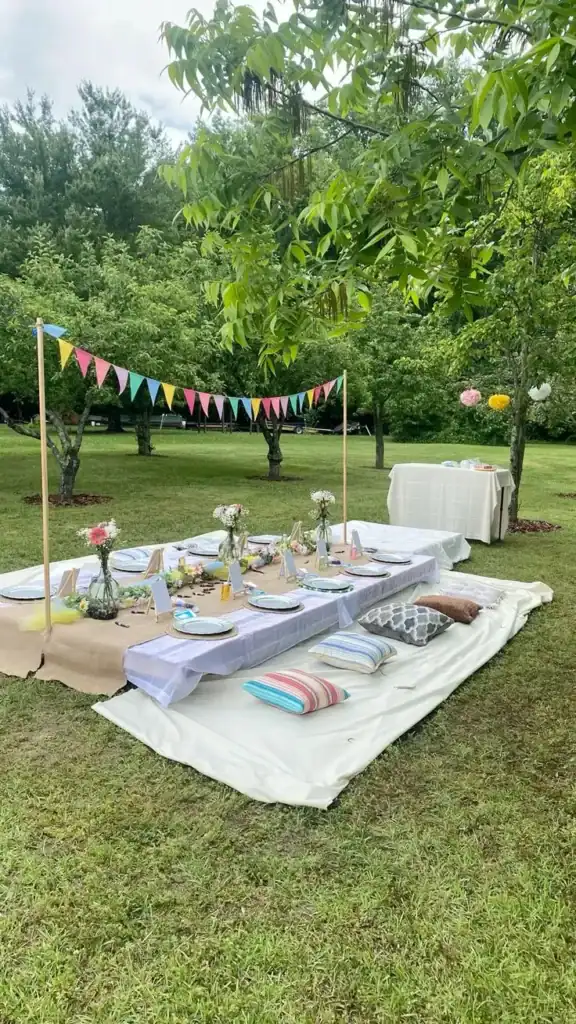
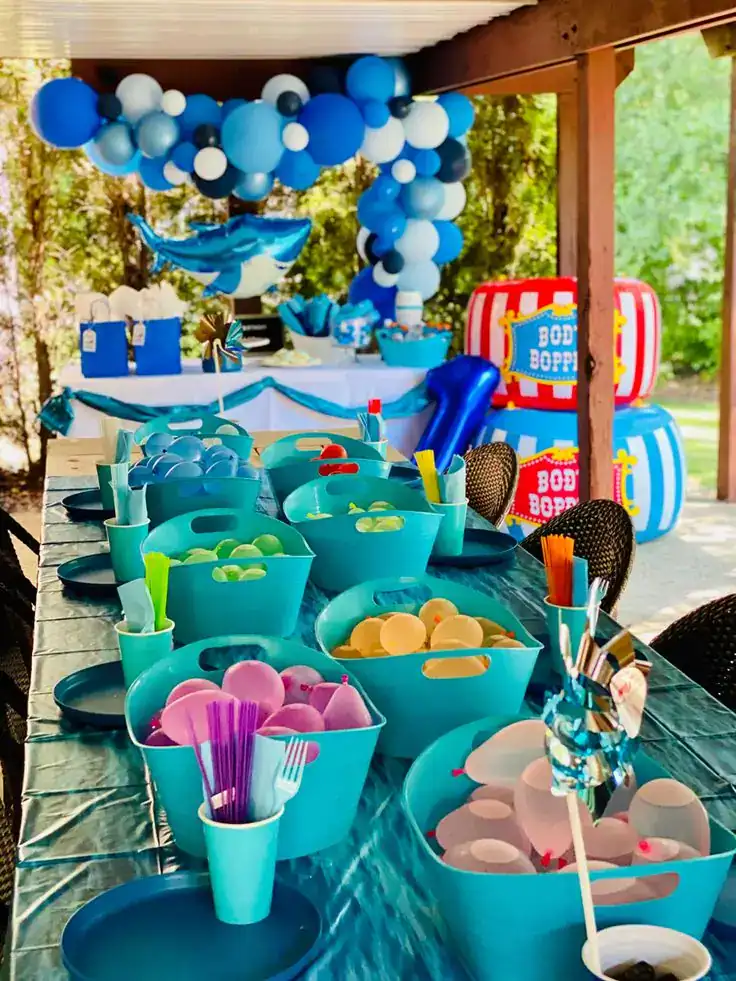
An outdoor picnic is one of the most flexible end-of-year options because it scales to any size and any budget. Done well, it feels like a genuine celebration rather than a classroom activity moved outside.
What makes it work: Assign food categories (mains, sides, drinks, desserts) to different groups or families in advance — otherwise you end up with 12 bags of chips and no napkins. Set up a central food station and several activity zones (games, free play, blanket areas) so students naturally spread out. Best additions: Lawn games like cornhole or frisbee, a photo backdrop for end-of-year photos, and a “memory wall” poster where students write their best moment from the year. Budget per student: $2–5 with potluck contributions.
2. Hawaiian Luau Party
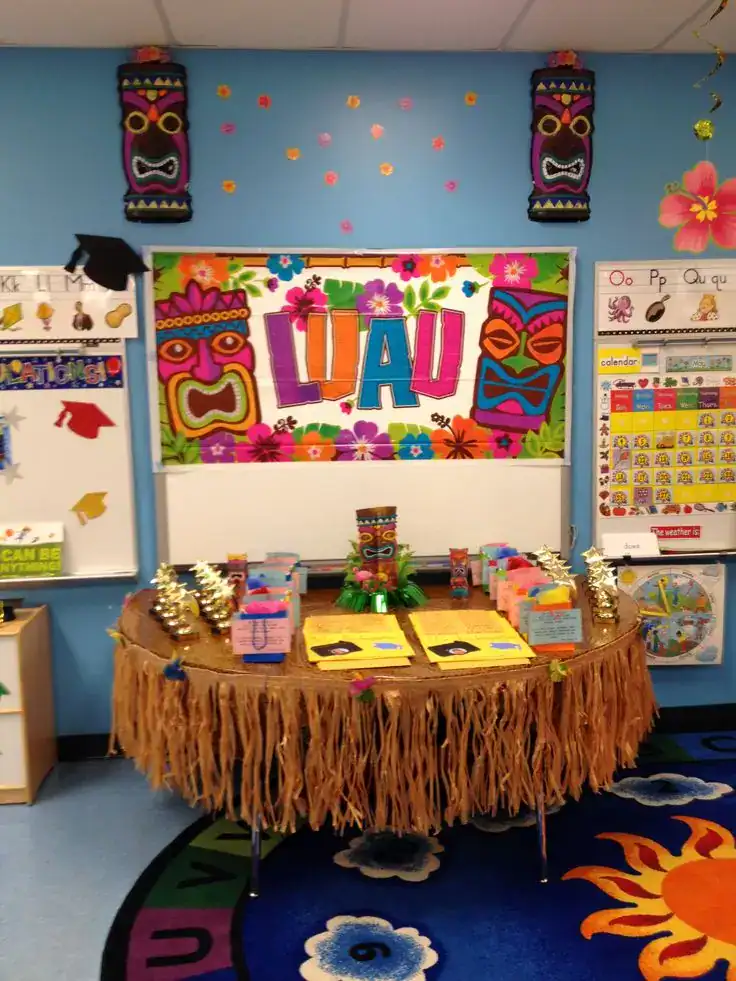
A luau theme transforms an end-of-year party from “we’re celebrating” to “we’re actually going somewhere fun.” The visual shift — leis, tiki decorations, tropical colors — changes the energy in the room immediately.
Setup essentials: Bulk leis ($8–12 for a bag of 50 from Amazon or party stores), a limbo stick (any broomstick works), a Spotify Hawaiian playlist. Food ideas: Pineapple mocktail punch, fruit skewers, and coconut-themed treats. Best activities: Hula contest, limbo, Hawaiian trivia. Indoor version: Blue streamers hung as a “waterfall” backdrop + yellow/orange balloons creates a convincing tropical effect without outdoor space. Budget: $3–8 per student for decorations and basic food.
3. Glow-in-the-Dark Dance Party
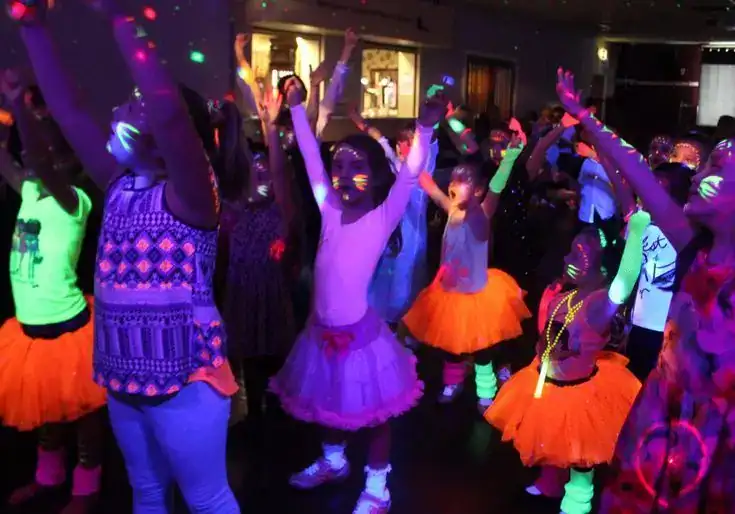
For grades 5 and up, a glow party consistently delivers the highest energy reaction of any end-of-year option. Darkened room, blacklights, neon accessories, and student-requested music — it’s one of the few setups that feels genuinely exciting for middle and high school students.
Equipment needed: 2–3 blacklight bulbs or LED strips ($15–30), glow sticks and neon bracelets for students ($10–15 for a class), dark room with coverable windows. Playlist tip: Let students submit song requests in advance using a shared Google Form — student-curated playlists make a noticeable difference in engagement. Bonus activity: Glow-in-the-dark bowling (painted neon pins + glow ball, $25–35 for a set). Budget: $1–3 per student for accessories.
4. DIY Craft Stations
Craft stations work at every grade level when you match the craft to the age — friendship bracelets for elementary, tote bag painting for middle school, custom bookmarks or painted canvases for high school. The key is having enough supplies pre-laid-out so there’s no waiting.
Best crafts by grade: K–3: painted flower pots, foam bookmarks; 4–8: tie-dye shirts (budget for this one: $8–12 per shirt), friendship bracelets, decorated tote bags; 9–12: painted sneakers, custom journals, vision boards. Setup tip: Put all supplies in a labeled bin at each station — students rotate every 20–25 minutes. Budget: $3–15 per student depending on craft complexity.
5. Water Balloon Bash
A water balloon bash works best on the last day of school when there’s nothing to change into and nowhere to be afterward. Warned students come prepared; the ones who got “surprised” usually have the most fun.
Organized games vs. free-for-all: For younger students, structured games (toss-and-catch, water balloon relay races) prevent the chaos of a free fight. For older students, a clear free-for-all zone with boundaries works fine. Setup requirement: Fill 200+ balloons the morning of — this takes 45–60 minutes, so enlist parent volunteers or use self-sealing water balloon kits ($12–18 for 500 at Amazon). Dry zone: Always designate one area for students who prefer not to get wet. Budget: $1–3 per student.
6. Talent Show
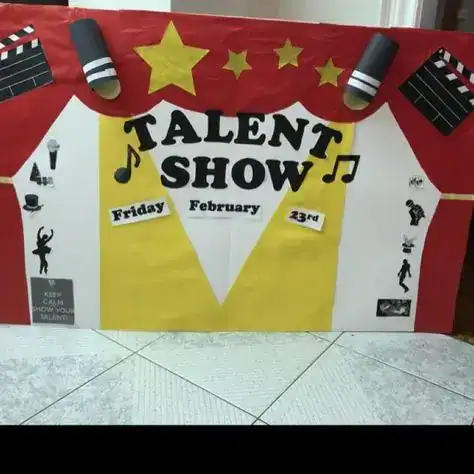
A talent show has the highest upside of any end-of-year event — when it lands, students are still talking about it a month into summer. When it doesn’t, it’s because of poor pacing and no warm-up acts.
How to run it well: Collect sign-ups 1–2 weeks in advance, cap acts at 2–3 minutes each, and brief participants on basic stage expectations beforehand. Appoint a student MC — this single change makes the whole event more polished. Inclusive approach: Include a “group category” (class lip sync, choreographed dance) so students who aren’t confident solo performers can still participate. Budget: Near zero — microphone and sound system are the only costs if the school has them.
7. Build-Your-Own Pizza Party
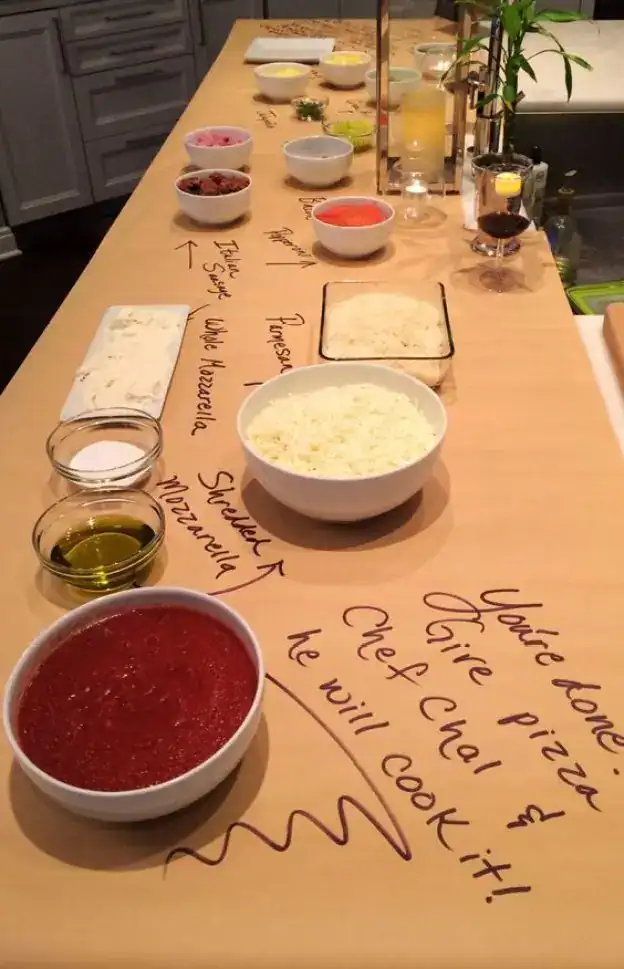
DIY pizza is the end-of-year food option with the highest student engagement because everyone gets to make exactly what they want — and the process of making it together is part of the fun.
Logistics: Pre-made pizza dough or English muffins work best for large groups (faster than rolling individual crusts). Set up a toppings bar with labels: sauce options, cheese, proteins, veggies. Use a portable pizza oven if available; a standard oven on high heat (475°F) works for small batches. For large groups: Divide by tables, each table gets their pizzas baked in rotation. Add-on games: Pizza trivia, “guess the mystery topping” blindfold challenge. Budget: $4–8 per student including toppings.
8. Ice Cream Sundae Bar
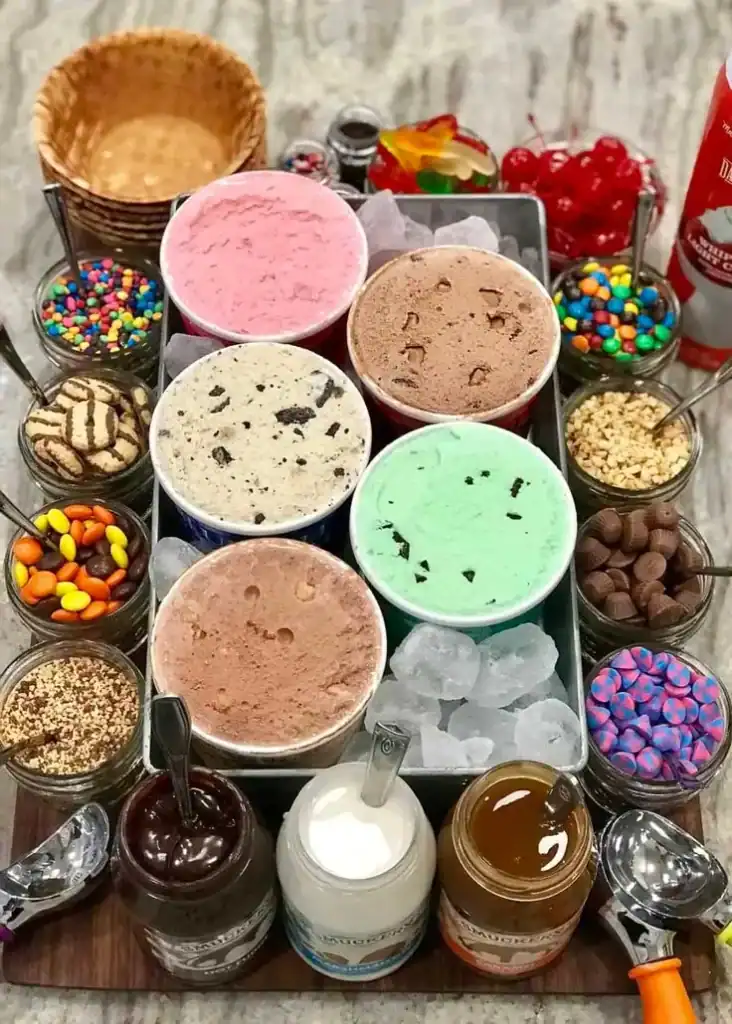
An ice cream sundae bar is a low-effort, high-return option. Students will line up for it, talk about it afterward, and the setup takes under 20 minutes.
Setup: 3–4 ice cream flavors in labeled buckets (keep in coolers between batches), toppings in individual bowls: sprinkles, hot fudge, caramel, fresh fruit, crushed cookies, whipped cream. For dietary restrictions: Include a dairy-free sorbet option and keep allergen-containing toppings (nuts) clearly labeled and separated. Competition add-on: “Most Creative Sundae” judging adds structure and keeps the line moving — students build, present, and move on. Budget: $3–6 per student.
9. Field Day Olympics
A well-organized field day is the end-of-year event most students will remember in 10 years. It’s physical, social, and produces clear winners — which kids actually enjoy when it’s framed right.
Station setup: 6–8 stations that rotate every 8–10 minutes keeps the energy up and the wait down. Suggested stations: three-legged race, egg-and-spoon relay, hula hoop challenge, tug of war, sack race, obstacle course, frisbee toss. Team structure: Mixed-grade or mixed-friend teams ensure inclusion and prevent social cliques from dominating. Medals/awards: Dollar store medals for every participant (not just winners) keep the event positive. Budget: $3–8 per student for equipment and medals.
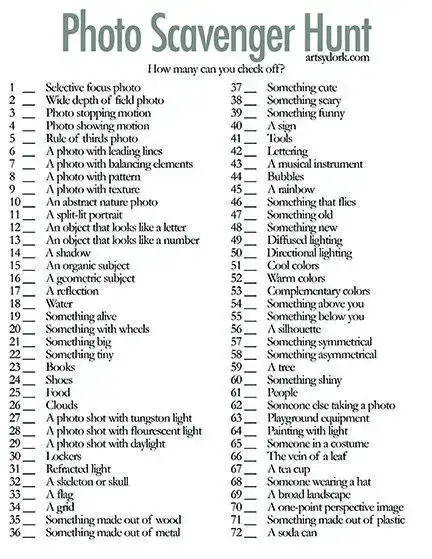
10. Scavenger Hunt
Scavenger hunts work across all ages when designed correctly — the clue difficulty should match the grade level, and teams of 3–4 students work better than larger groups where some students disengage.
Clue-writing tips: Write more clues than you think you need (8–12 for a 30-minute hunt). Make early clues easier — momentum matters. Include one clue that requires a specific teacher to provide the next hint, which naturally involves staff in the event. Educational version: Incorporate curriculum references in the clues (vocabulary words, math problems, historical facts as riddles). Prize: Small, identical prizes for all teams who finish (not just first place) works better in a school setting. Budget: $0–5 for printed clues + small prizes.
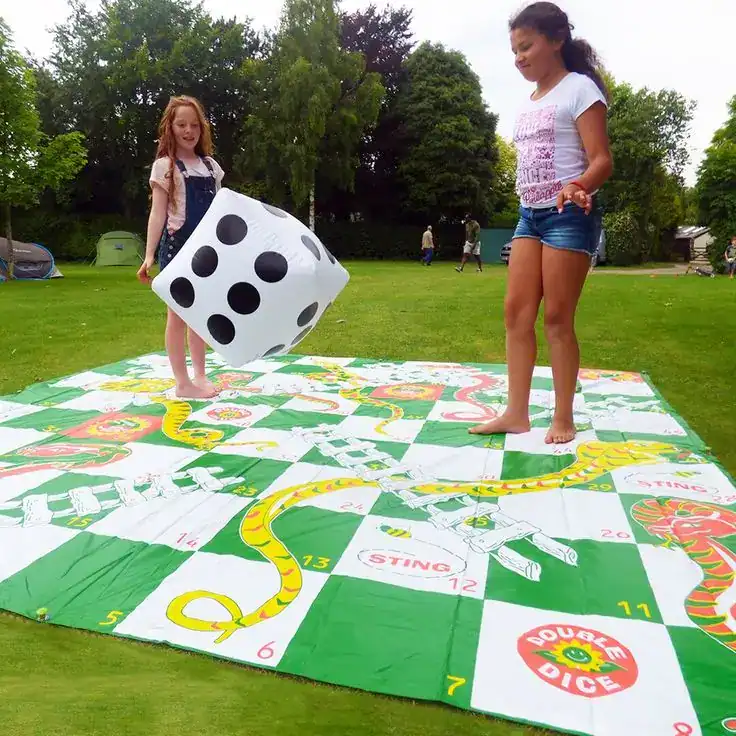
11. Giant Board Games
Life-sized versions of classic games transform familiar activities into events. Giant Jenga, oversized Connect Four, and human-sized checkers look impressive, require no explanation, and naturally gather audiences.
Rental vs. purchase:Giant Jenga sets can be rented from party supply companies ($30–60/day) or purchased and reused annually ($40–80 on Amazon). DIY option: Giant Jenga from 2×4 lumber cuts costs to $20–30 and is a fun woodshop or parent project. Setup area: Give giant board games enough space that non-players can watch — the spectator element is part of the fun. Best combination: 2–3 different giant games running simultaneously, like an oversized Connect Four, creates the feel of a game fair rather than a single activity.
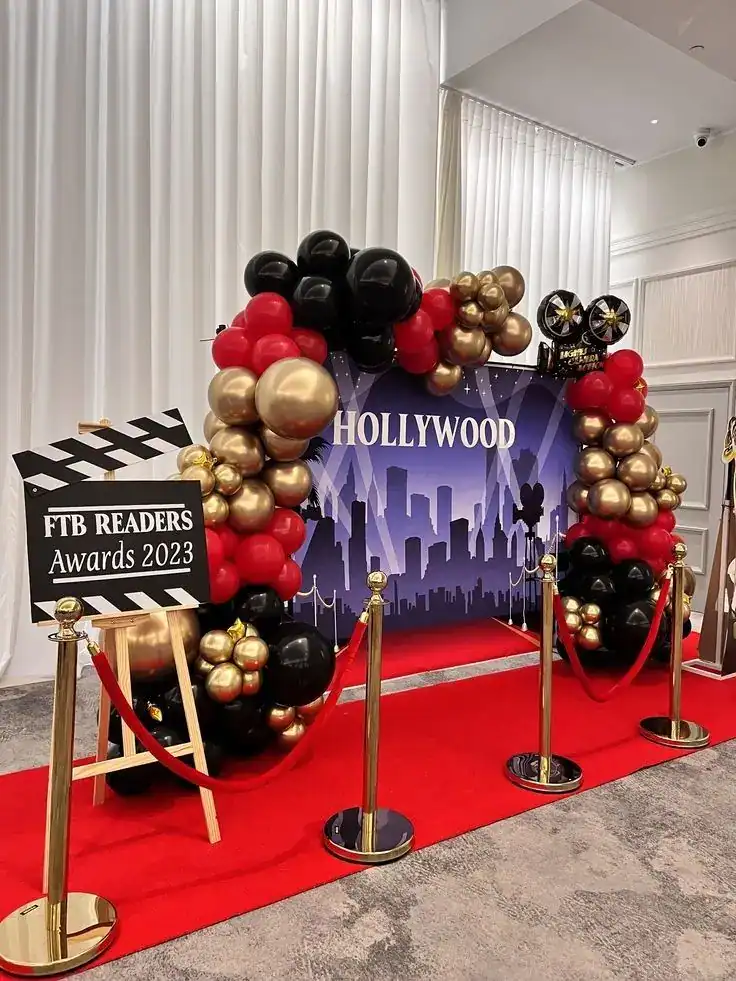
12. Hollywood Red Carpet Event
The Hollywood theme works best when it’s both a photo opportunity and a recognition event. Students want to feel seen and celebrated — the red carpet format delivers that in a way generic parties don’t.
What you actually need:Red plastic tablecloth unrolled as the carpet ($3–5), a phone camera on a tripod as the “photo station,” and customized awards. Awards ideas that land well: “Most Likely to Start a Business,” “Most Creative Problem-Solver,” “Best at Making Everyone Feel Included.” Personalized awards that reflect real observations about each student are worth the extra preparation time. Slideshow: Play a year-in-review photo slideshow during the carpet entry segment — transitions keep the energy up while everyone gets their moment. Budget: $5–15 for the full setup.
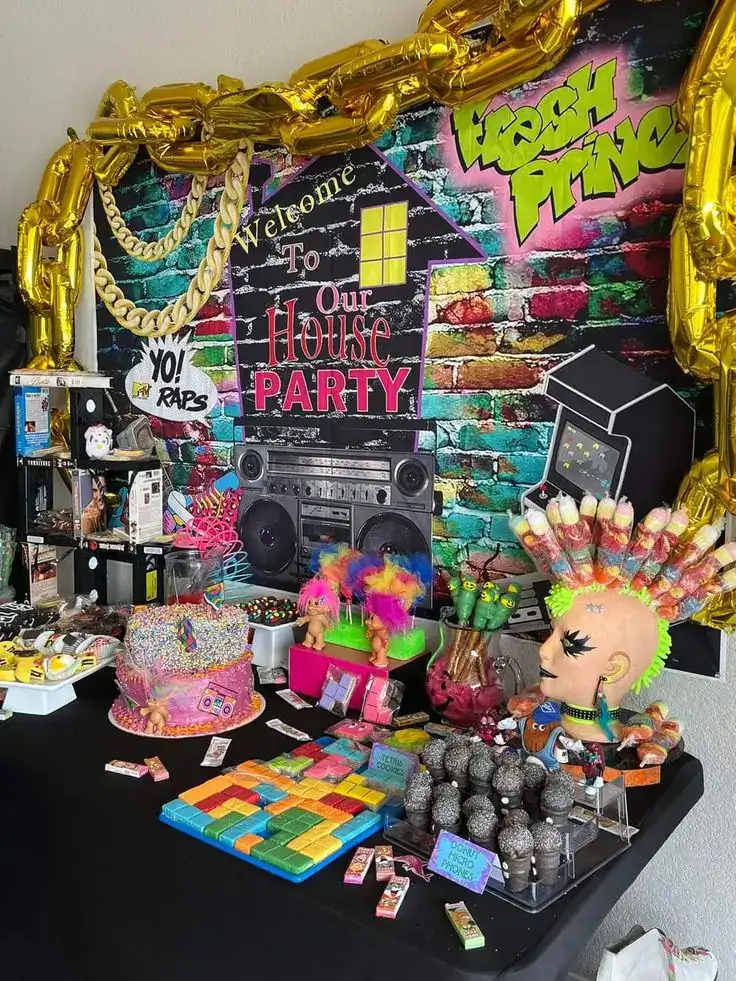
13. Decade-Themed Party
Decade themes work because they give students a creative task (dressing up) while building anticipation before the party. The best decades for school use: 1950s (easy costumes, universal music), 1980s (neon, big hair, iconic music), and 1990s (current nostalgia favorite for older students).
Making it accessible: Some students can’t access costumes for financial or practical reasons — have a simple accessory station at the entrance (cheap sunglasses, bandanas, temporary hair accessories) so everyone can participate without advance preparation. Music: Spotify has decade-specific playlists for every era — curate or find one that avoids inappropriate content for school settings. Activity add-on: “Decade trivia” about the chosen era gives non-dancers something to engage with.
14. Carnival Celebration
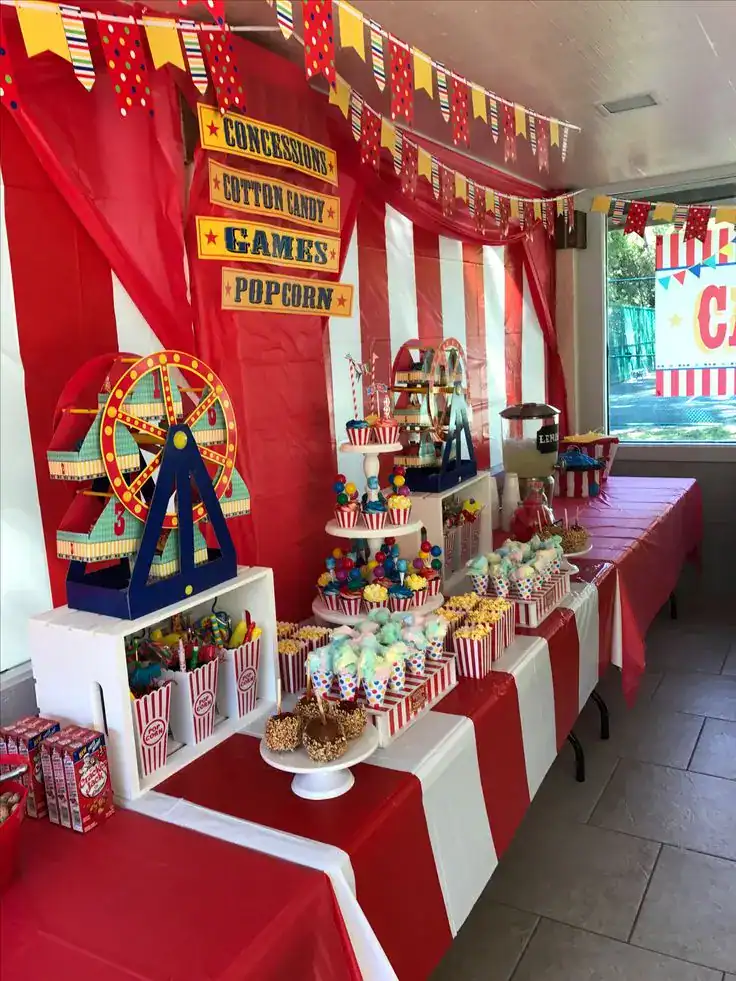
A carnival setup is the most visually impactful end-of-year option — it looks like a real event from the moment students walk in. The key is creating enough games and stations that there’s no “dead zone” where students are waiting.
Essential stations:Ring toss, balloon dart throw, bean bag toss, face painting, and a photo booth. Carnival food: Popcorn machine (rental: $30–50/day) and cotton candy machine (rental: $40–60/day) are the highest-value visual elements. Ticket system: Give each student 10–15 tickets on entry — this creates a fair way to manage popular stations and keeps the traffic flowing. Budget without rentals: $8–15 per student for games and basic food. With rentals: $15–25.
15. Memory Lane Slideshow
A memory slideshow is the one end-of-year activity that makes students genuinely emotional — in a good way. The key is photo quality and curation: 60–80 photos across 5–7 minutes is the right length.
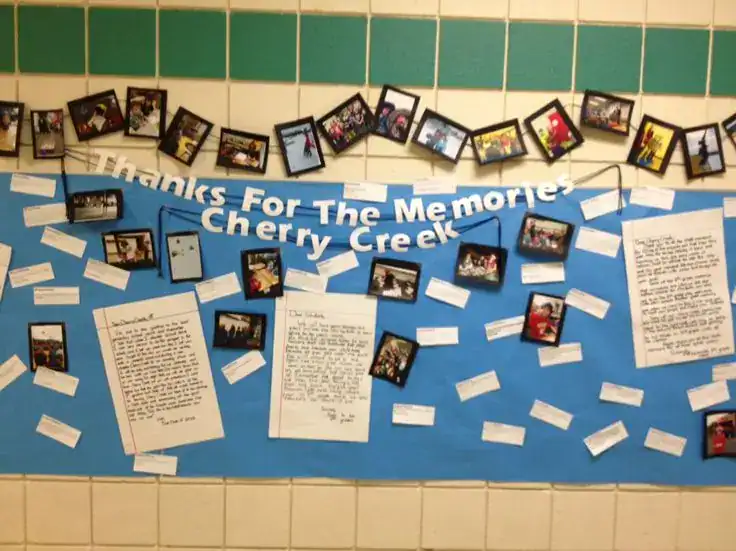
How to collect photos: Send a Google Form to parents and staff 2–3 weeks before the party asking for their best photos from the year. Set a submission deadline, select the strongest ones, and arrange roughly chronologically. Music selection: One or two upbeat songs the class actually knows works better than a full instrumental score. Paired activity: A physical “memory wall” where students write their favorite moment from the year on sticky notes gives students something to do while arriving and generates discussion throughout the party.
16. Book Swap Party
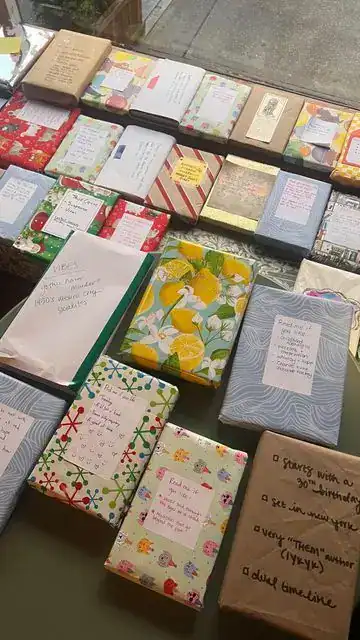
A book swap works best when framed as a gift-giving activity rather than just an exchange — students who bring a book they genuinely love and can recommend are participating more meaningfully than ones who grabbed whatever was on their shelf.
Setup: Have each student write a short recommendation card for their book (title, why they loved it, who they’d recommend it to) and attach it to the book. The cards become part of the gift. Cozy atmosphere additions: Blankets and floor cushions create a reading nook feel; soft background music; snacks on side tables. For students who don’t own books: Set aside a donation pile of extras for students to choose from so no one is left without. Budget: Near zero (students bring books from home).
17. Gratitude Circle
A gratitude circle is the quietest and most meaningful option on this list — and when run well, produces some of the strongest emotional moments of the school year. It works best as a 20–30 minute segment within a larger party rather than the entire event.
Structure that works: Each student shares one thing they’re grateful for from the year — it can be academic, social, or personal. Prompts help: “Something I learned this year that surprised me,” “A person in this room who helped me,” “A moment I’m glad happened.” Teacher participation: Teachers sharing their own genuine reflections models the vulnerability that makes the circle work. Artifact option: Students write their reflection on a decorated card to keep. Budget: $0–2 per student for cards.
18. Game Show Mania
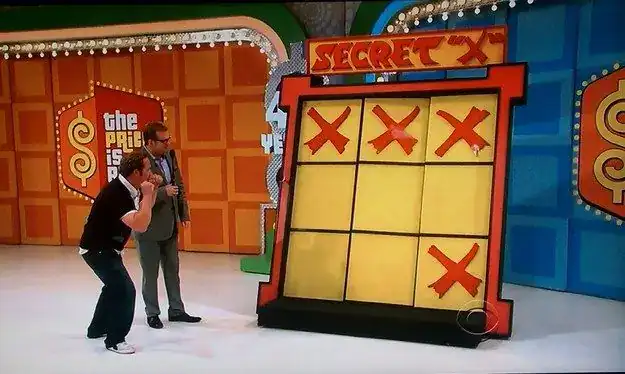
Game show-style competitions work especially well for middle and high school students who respond better to structured competition than open-ended activities. The format provides pacing and built-in engagement.
Best formats: Jeopardy (customize with school-year content using the free Jeopardy Labs website), Family Feud (use real survey data from the class collected the week before), Minute to Win It challenges (physical tasks against the clock — always gets the loudest reactions). Team structure: 4–5 students per team, randomly assigned. Prizes: Small prizes for winners + participation prizes for everyone keeps the energy positive. Budget: $0–5 for printed materials and small prizes.
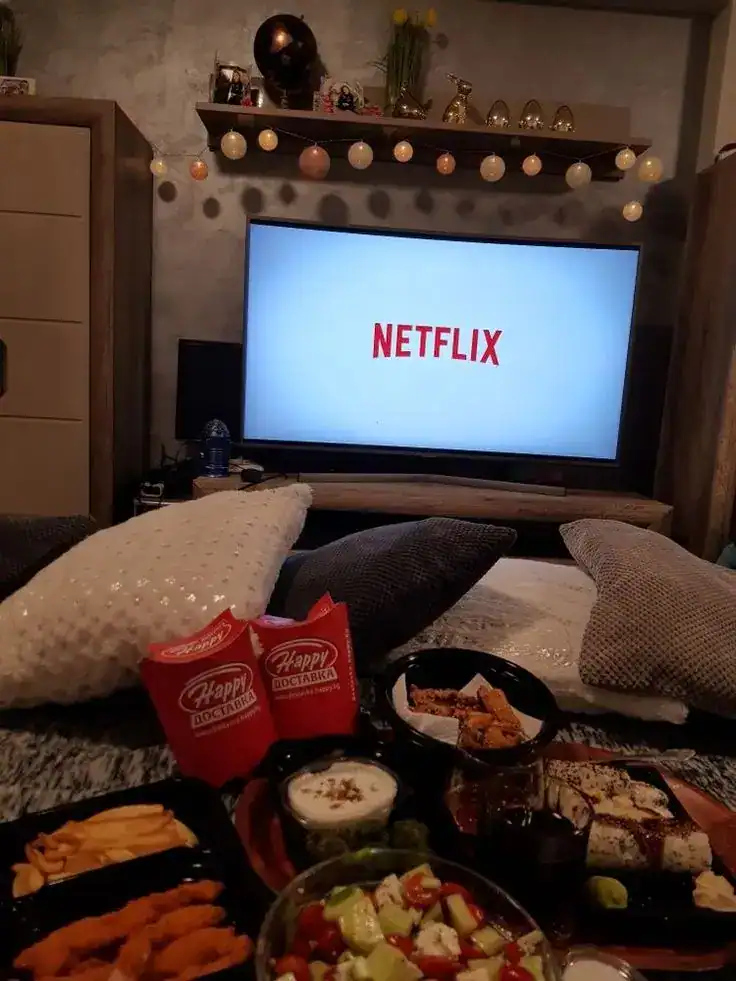
19. Pajama and Movie Day
A pajama movie day is the most requested end-of-year option among elementary students. For teachers who are managing a tired, end-of-year classroom, it’s also the most logistically manageable — and genuinely enjoyable for everyone.
Movie selection: Vote democratically from a pre-approved list — giving students 3 strong options is more manageable than an open vote. Snack setup:Popcorn is non-negotiable. Small labeled snack bags per student (popcorn, a treat, a drink box) prevents the chaos of shared bowls. Cozy additions: Students bring blankets, pillows, and stuffed animals. Rearrange furniture into a “theater” layout with clear sight lines to the screen. Budget: $2–4 per student for snacks.
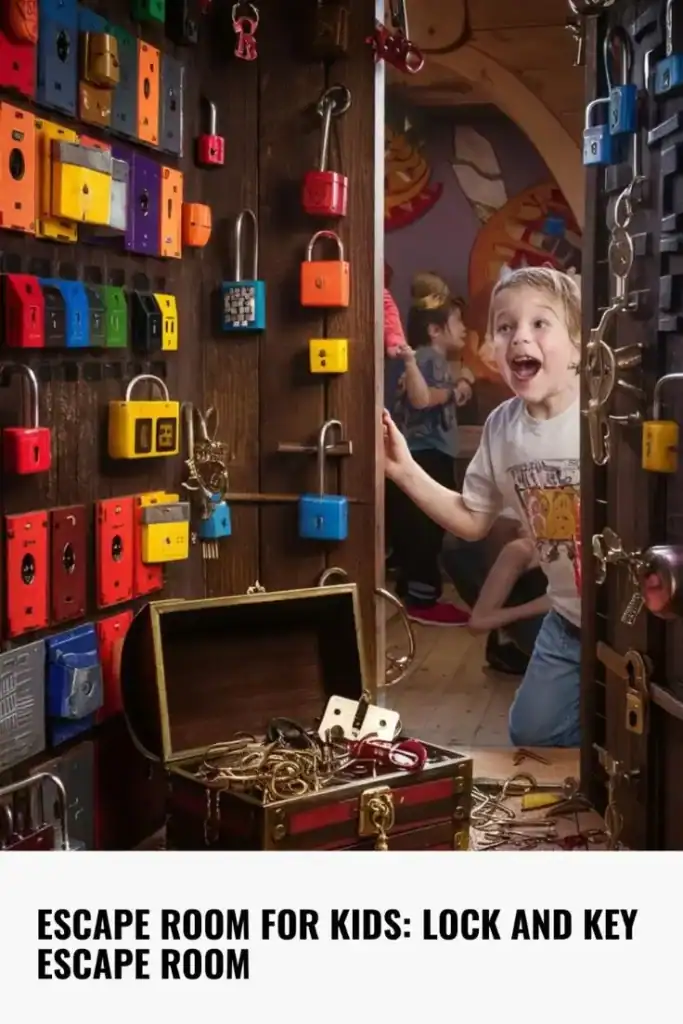
20. Escape Room Challenge
A DIY classroom escape room is one of the highest-effort items on this list — and one of the highest-reward. Students who experience a well-designed escape room talk about it for weeks.
How to build a simple version: Choose a theme (mystery, space exploration, time travel). Create 5–8 interconnected puzzles (lock combinations, coded messages, physical tasks) that each reveal a piece of the next clue. The final clue unlocks a “prize” (celebration, end-of-year treats, or simply the satisfaction of escaping). Time: Most groups finish in 20–35 minutes; build in a 45-minute window. Setup time: 2–3 hours initial build; much less if you reuse puzzles. Budget: $15–30 for combination locks and printed puzzle materials.
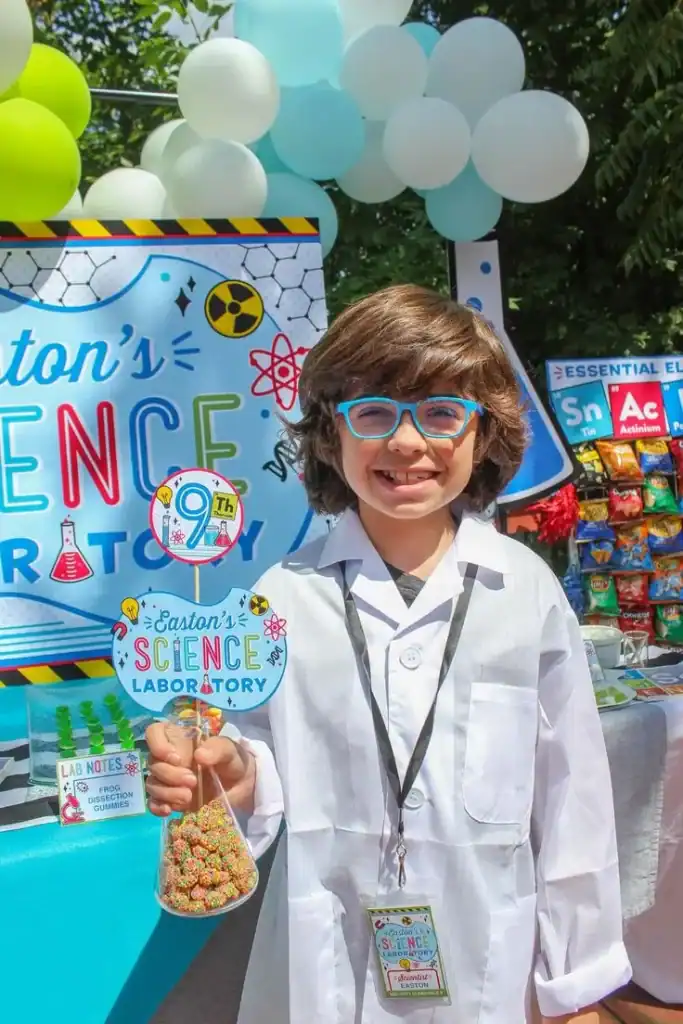
21. Science-Themed Party
A science party is especially effective at the elementary level, where the novelty of controlled “experiments” generates genuine wonder. The visual impact of reactions (eruptions, color changes, fizzing) creates natural party moments.
Best experiments for parties:Slime-making (student keeps their slime — high perceived value), baking soda + vinegar eruptions in decorated “volcanoes,” paper chromatography (coffee filter + markers + water = colorful, calm, packable), elephant toothpaste for a demonstration. Safety: Pre-measure ingredients for younger students; have cleanup supplies at each station. Budget: $3–8 per student depending on experiments.
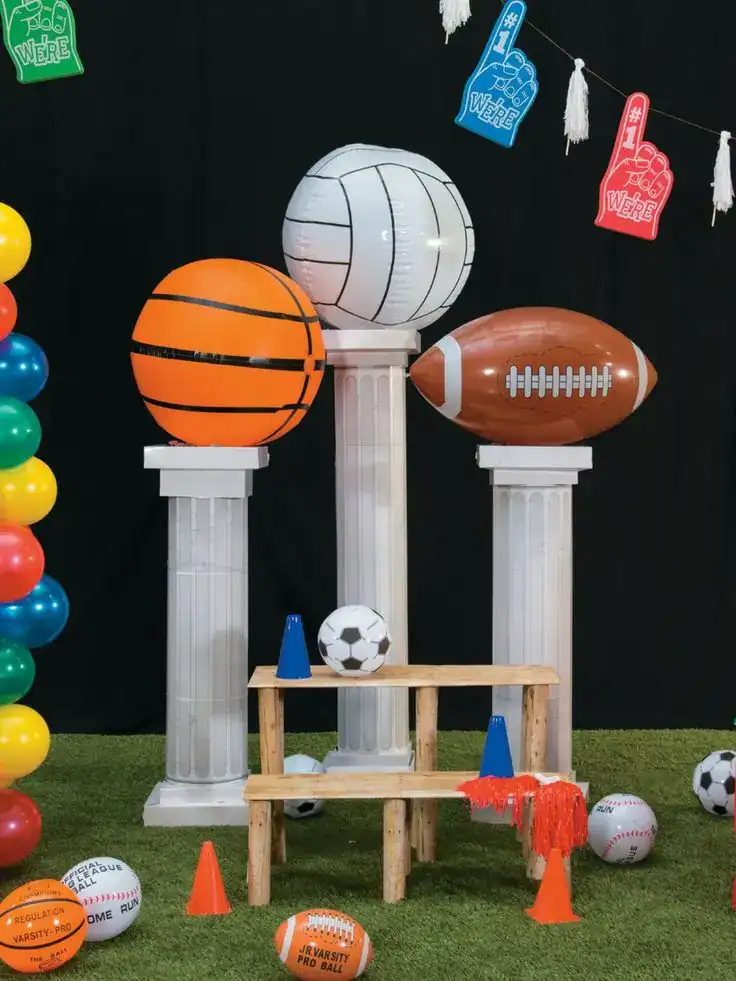
22. Sports Tournament
A student-vs-teacher game is consistently the most crowd-pleasing sports event of the year. The format is easy to organize, requires minimal setup, and generates the kind of shared memory that students associate with their school experience.
Best sports for mixed participation: Kickball, dodgeball, volleyball, and relay races include more students than traditional team sports. Crazy rules variation: Adding silly modifications (everyone must dribble a balloon instead of a ball, defenders must hop on one foot) reduces the competitive pressure and makes it more accessible for non-athletes. End-of-tournament awards: “Most Sportsmanlike,” “Most Improved,” “Best Team Spirit” alongside traditional trophies. Budget: $0–5 for equipment if the school already has sports gear.
23. Bubble Bash
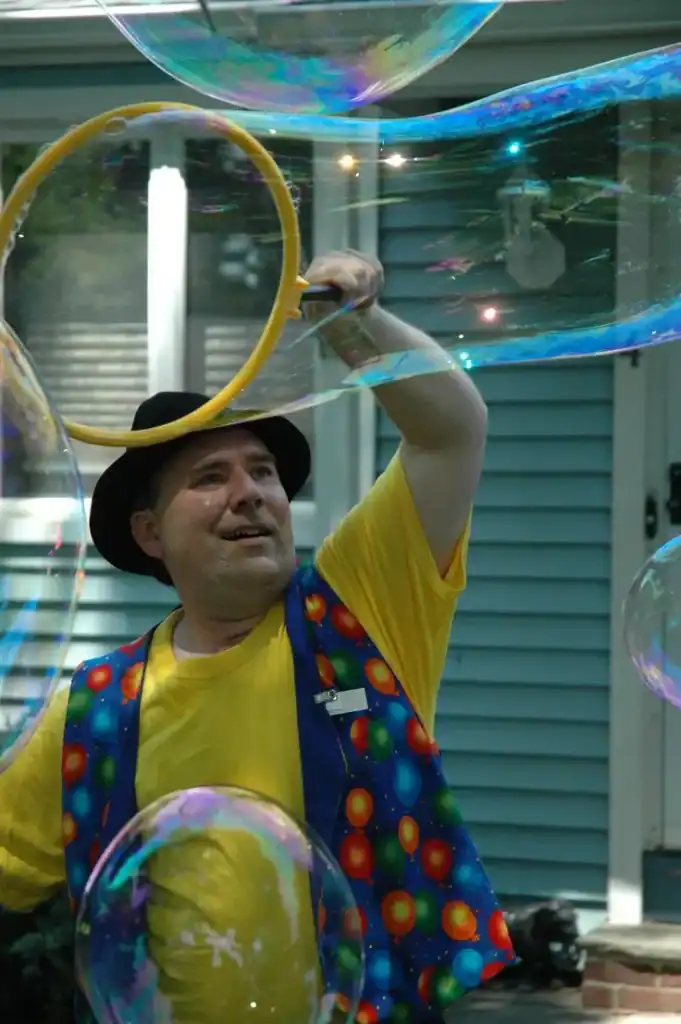
Bubble activities are magical for K–3 students — the visual quality of giant bubbles in sunlight creates genuine joy. For older students, bubble science framing (surface tension, bubble geometry) makes it feel more engaging.
Best bubble activities:Giant bubble wands (bamboo sticks + cotton cord + dish soap solution — $5 in materials, instructions on YouTube), bubble machine stations for younger students, and DIY bubble solution mixing. Giant bubble recipe: 6 cups water + ½ cup dish soap + ½ cup cornstarch + 1 tablespoon baking powder — this mixture produces stronger, longer-lasting bubbles than premade solutions. Outdoor requirement: Wind actually helps giant bubbles — a light breeze makes them travel further and more visually impressive. Budget: $2–5 per student.
24. Silent Disco Party
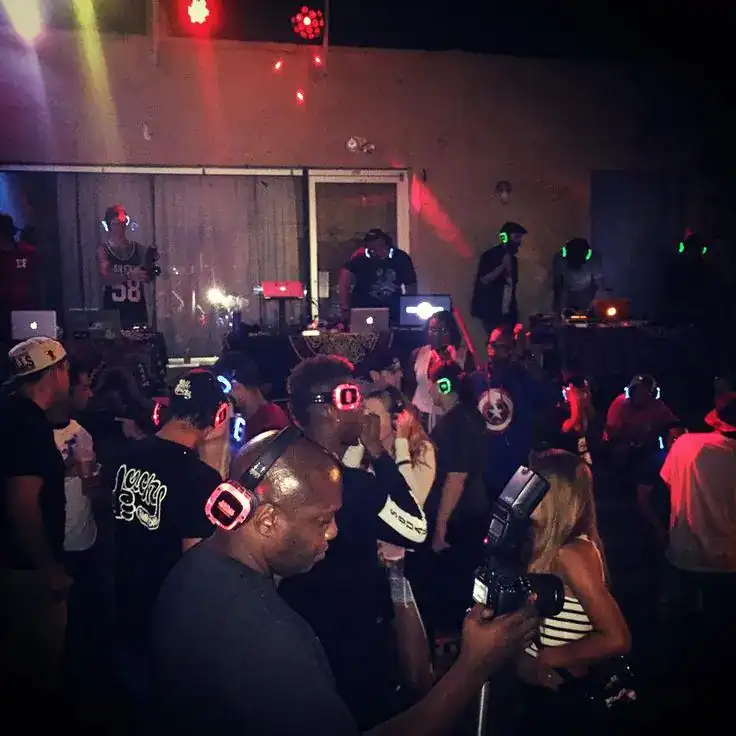
Silent discos are genuinely novel for most students — and the visual of a room full of people dancing to music only they can hear creates a unique, slightly surreal atmosphere that students find hilarious and fun.
How to organize: Rent wireless headphones from a local DJ company or party rental service ($3–5 per headphone per day, minimum order of 20–30 units). Run 2–3 music channels simultaneously so students can switch between genres. Best for: Middle and high school; elementary students often find the headphones cumbersome. Indoor advantage: Volume stays low, making it viable in settings where loud music isn’t permitted. Budget: $3–6 per student for headphone rental.
25. End-of-Year Time Capsule
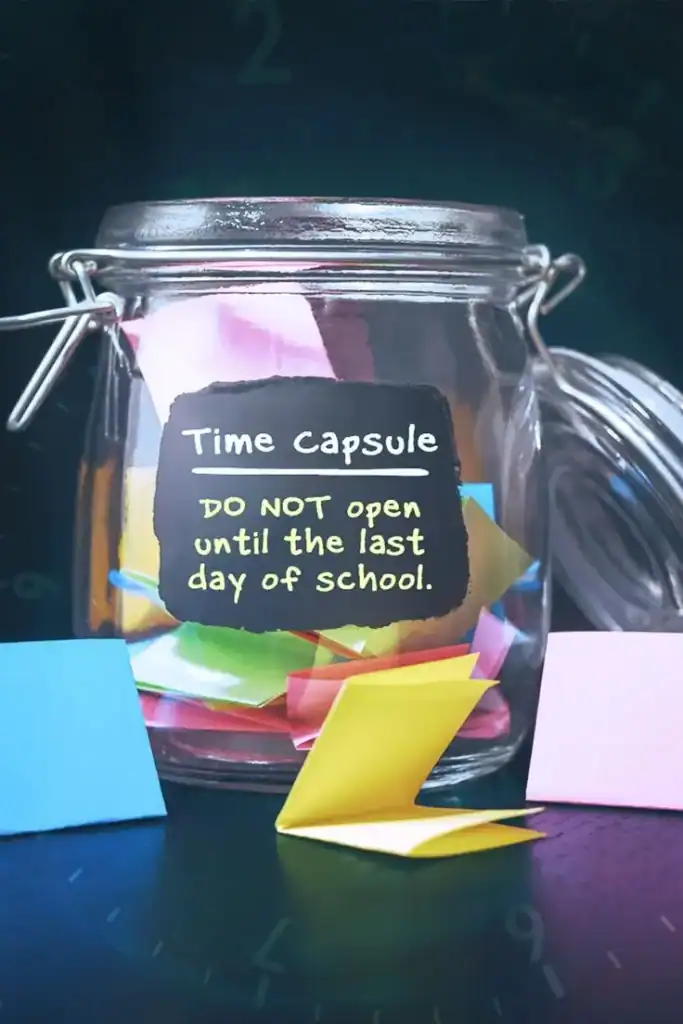
A time capsule activity gives the end-of-year party a forward-looking dimension — students aren’t just reflecting on what happened, they’re connecting it to their future. This framing makes the activity more meaningful.
What to include: A letter to their future self, a photo, something small from this school year (a class schedule, a bookmark from a favorite book, a paper with their current favorite song and movie), and predictions for the future. Sealing and storage: Individual envelopes in a class capsule box, or individual sealed envelopes students take home with “Open in [year]” written on the front. Best opening date: Graduation year, or a class reunion milestone. Budget: $1–2 per student for materials.
26. Mini Graduation Ceremony
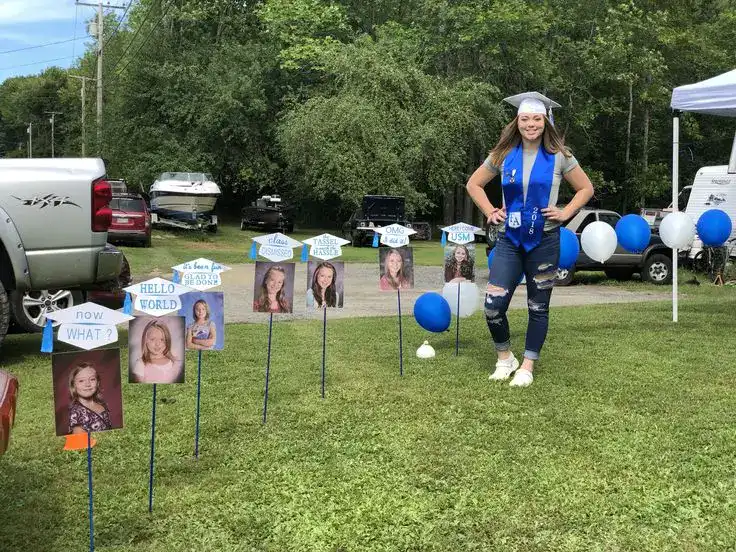
A mini graduation ceremony works at any grade level, but resonates most strongly at natural milestone transitions — end of elementary, end of middle school, or end of high school. The ritual of being acknowledged individually matters to students more than the format.
Certificates that land well: Specific, observation-based awards rather than generic ones. “Most Likely to Invent Something” means more than “Most Creative” when it comes from a teacher who has watched the student all year. Ceremony structure: Call each student’s name, hand them a certificate, take a photo — keep it moving at roughly 30–45 seconds per student. Add-on: A short personal comment from the teacher alongside the certificate creates a memory that lasts. Budget: $0–5 for printed certificates and any decorations.
27. Pool or Splash Party
A pool or splash party is the most memorable summer send-off on this list — students who experience one still mention it years later. The barrier is access; for schools without a pool, the alternatives below deliver a similar effect.
Pool party logistics: Lifeguard presence is required; most school districts have protocols for pool events. Send permission slips and sunscreen reminders 1–2 weeks in advance. No pool? Splash alternatives: Sprinkler station (connect multiple oscillating sprinklers in a row), inflatable splash pad ($25–45), water table stations for younger students, or a campus “water carnival” with water guns, sponge tosses, and wet sponge relay races. Shade requirement: June/late May outdoor events need shaded rest areas — sun exposure for 2+ hours without shade creates real problems. Budget: $5–15 per student for water activities.
Planning Tips: How to Choose the Right End-of-Year Party
For K–3: Stick with sensory, visually stimulating options — bubbles, water balloons, science experiments, and pajama movie days consistently land well. Keep the event under 2 hours and focus on one or two activities rather than many stations.
For grades 4–8: Competitive elements matter more — scavenger hunts, game show challenges, field day olympics, and escape rooms work well. Students this age want to feel like participants, not attendees.
For high school: Less structured events work better — silent disco, talent shows, decade parties, and relaxed outdoor picnics give students social time without the feel of a supervised activity.
On a tight budget (under $5 per student): Field day olympics, scavenger hunt, talent show, memory slideshow, gratitude circle, and book swap all deliver strong results with minimal spending.
Frequently Asked Questions About End-of-Year School Parties
How far in advance should I plan an end-of-year school party?
Start 3–4 weeks out for a party that requires reservations, rentals, or parent volunteer coordination. For a simpler classroom party (movie day, craft stations, picnic), 1–2 weeks is workable. The earlier you communicate the plan to parents, the better volunteer and supply contribution you’ll get.
What are the best end-of-year party ideas for hot weather?
Water balloon bash, splash station, pool party, and outdoor carnival with shaded rest areas are the strongest hot-weather options. If temperatures are extreme (above 95°F), move the celebration indoors — heat stress is a real concern for full-day outdoor events.
How do I make an end-of-year party inclusive for all students?
Design activities that have multiple entry points — a talent show with a group category, a field day with non-athletic stations, a craft activity with different complexity levels. Always designate a quiet space for students who get overstimulated, and ensure food options accommodate common dietary restrictions.
What’s the easiest end-of-year party to organize for a classroom teacher?
Pajama movie day (minimal setup, students bring their own comfort items), ice cream sundae bar (one shopping trip, 20-minute setup), and outdoor picnic with potluck contributions are the three lowest-effort options with consistently strong student response.
How do I handle students who don’t want to participate in activities?
Offer a clear alternative activity (free reading, journaling, drawing) in a designated space. Forcing participation in energetic activities creates more problems than it solves. Most students who opt out initially join after watching for 5–10 minutes.
Can I combine multiple ideas from this list?
Absolutely — the strongest end-of-year parties typically combine a high-energy activity (field day, water balloon bash), a creative activity (crafts, photo booth), and a sentimental moment (memory slideshow, gratitude circle, time capsule). The three-part structure keeps the party moving while covering different student preferences.
Leah Meyer is a passionate event planner and creative writer behind Party & Beyond, where she helps hosts throw stunning celebrations on a real-world budget. From birthday parties and baby showers to backyard weddings and holiday gatherings, Leah personally tests every DIY idea she shares , proving that the wow factor lives in the details, not the price tag. When she's not planning the next party, you'll find her hunting for hidden treasures at dollar stores, inflating balloons (she owns three pumps!), or brainstorming with her dog, the official Chief Inspiration Officer of Party & Beyond.