The 4th of July is my favorite party to host — and the one I prep the hardest for. It’s the only party of the year where the decorations involve open flames, the food sits in 90-degree heat for hours, and there are kids running three feet from a pool. Put like that, it sounds terrifying. It isn’t. It just takes a little planning so you spend the night enjoying your own party instead of hovering. These are my 4th of july safety tips party host guide, sorted by the three things that trip people up: fireworks, food, and kids.
The whole philosophy in one line: assign specific people to specific jobs, keep water close to everything, and respect a handful of numbers that aren’t negotiable. That’s the core of any solid 4th of july safety tips party host approach — simple systems that keep everything under control without you constantly stepping in.
How do I run fireworks safely at a backyard party?
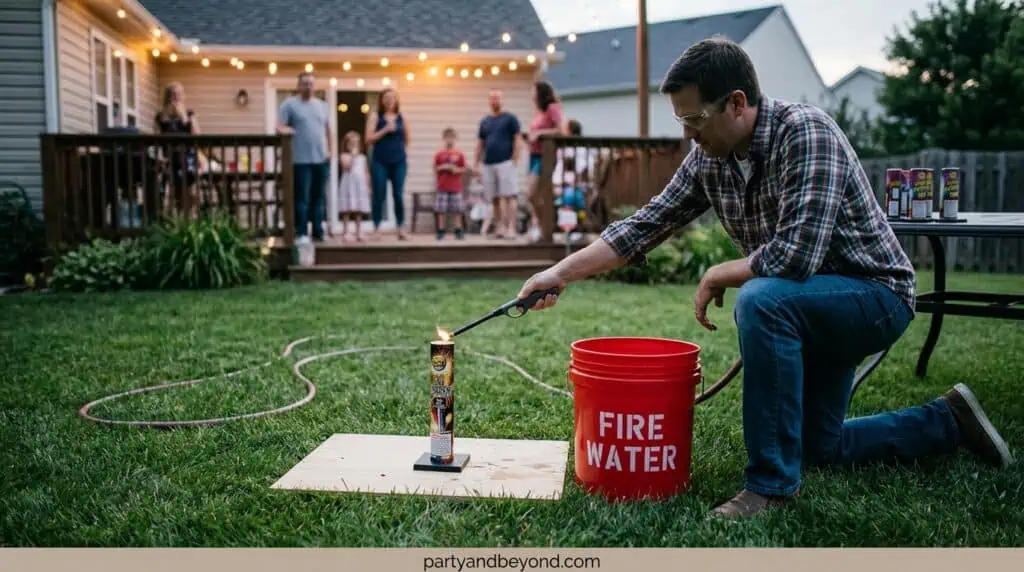
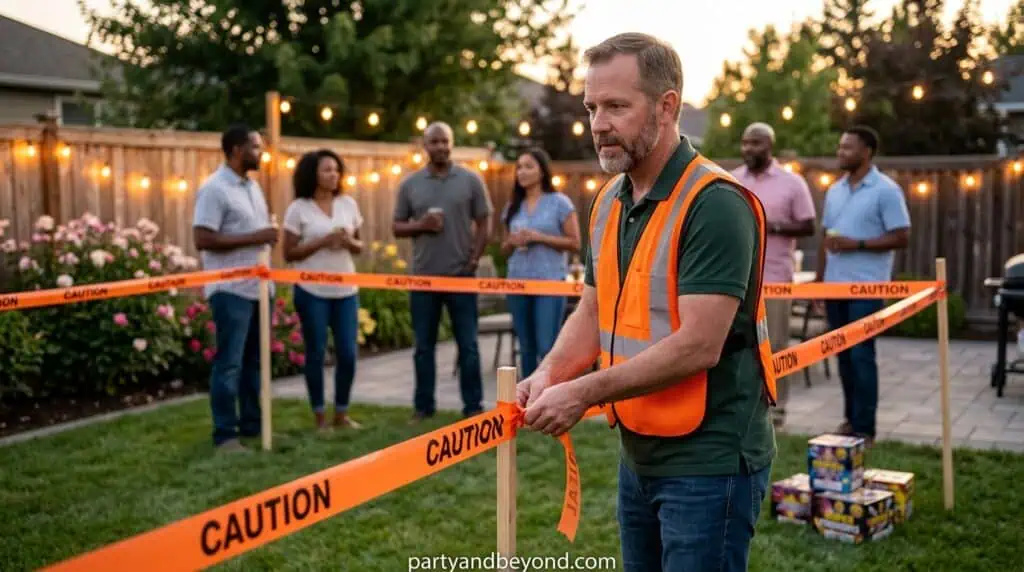
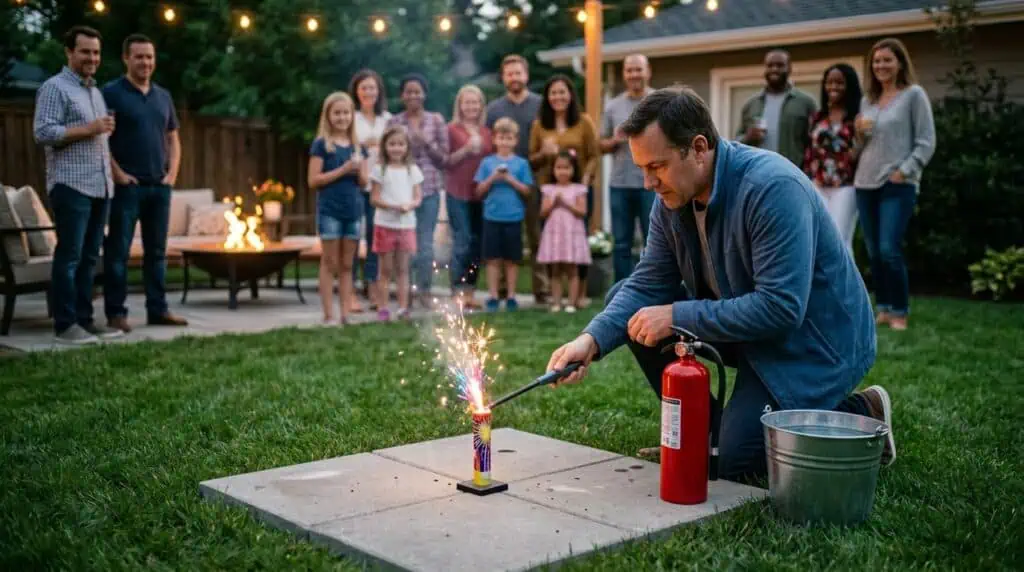
Run fireworks with one sober adult in charge, a cleared launch zone of at least 35 feet, and a bucket of water plus a hose within arm’s reach. Fireworks cause the most injuries on this holiday, and nearly all of them are preventable with a simple system.
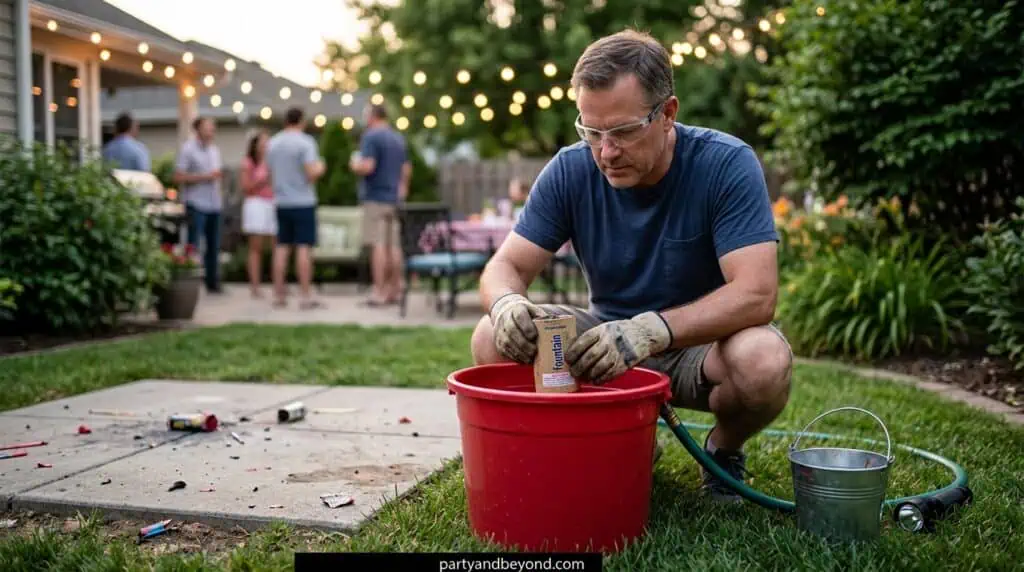
Keep water within reah A bucket and a hose, every time. Soak every spent firework before it touches the trash — a “dead” firework that isn’t fully out has started more than one garbage-can fire
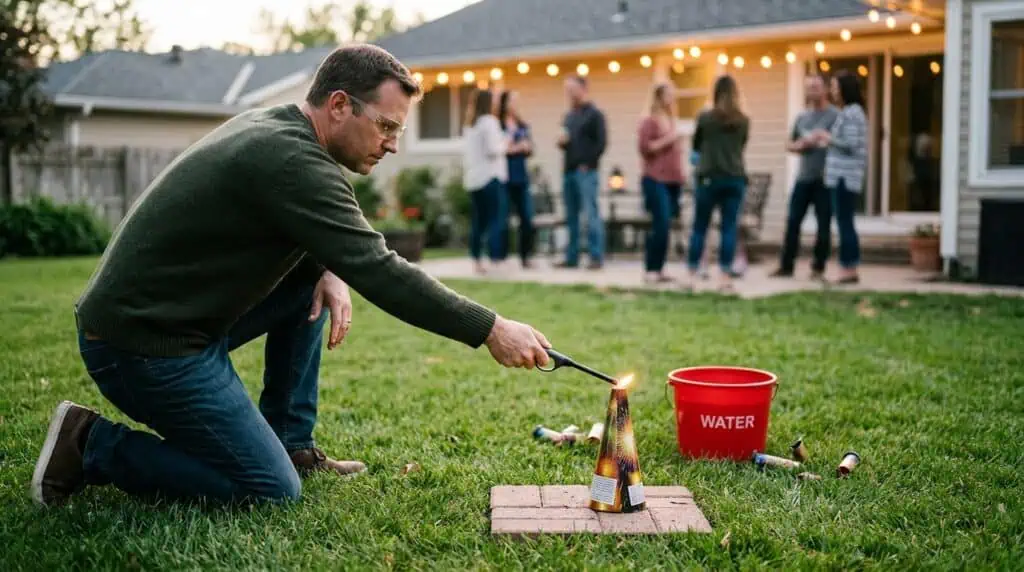
Light one at a time.
One device, pointed away from people and the house, and never lean your body over it.
Never relight a dud. If one doesn’t go off, wait 15–20 minutes, then soak it in water. Relighting is how people end up in the ER.
Assign one sober “fireworks person.” Not whoever’s closest — one designated, fully sober adult clears the 35-foot zone and keeps everyone behind the line.
Check local laws,
and know that a community fireworks show is the single safest option of all.
Are sparklers safe for kids?
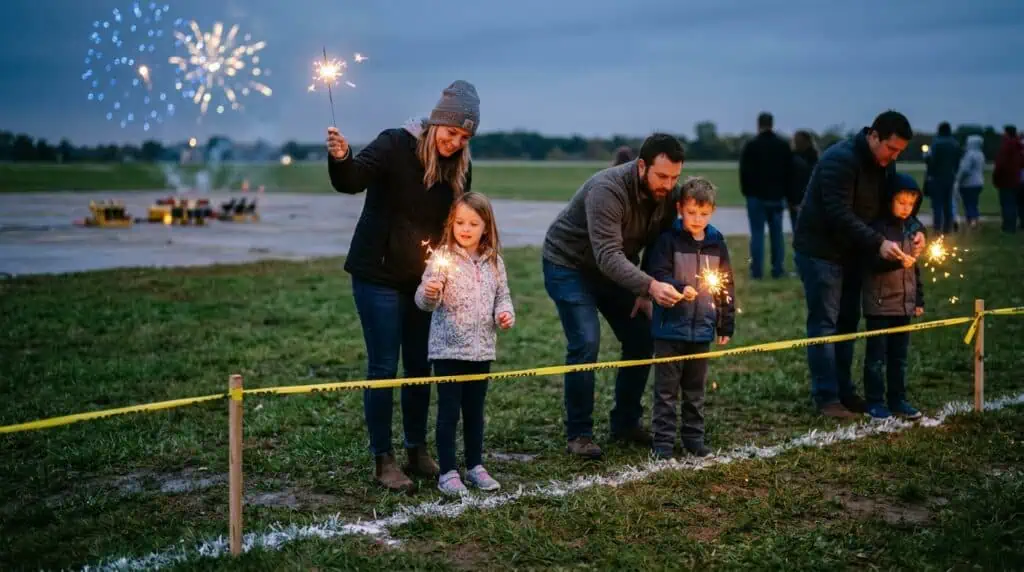
Sparklers are safe only for older kids with one-on-one adult supervision — they burn hot enough that fire-safety groups commonly cite around 1,800°F, enough to cause serious burns and ignite clothing. Hold them at arm’s length and drop them straight into a water bucket when they burn out. For younger children, hand them glow sticks instead: same magic, zero burns.
How do I keep food safe in the summer heat?
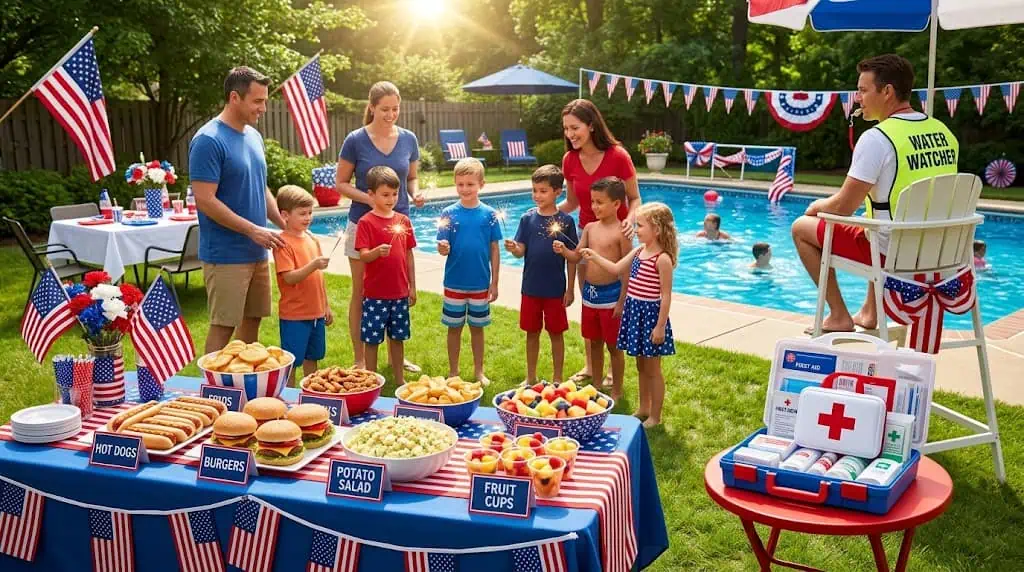
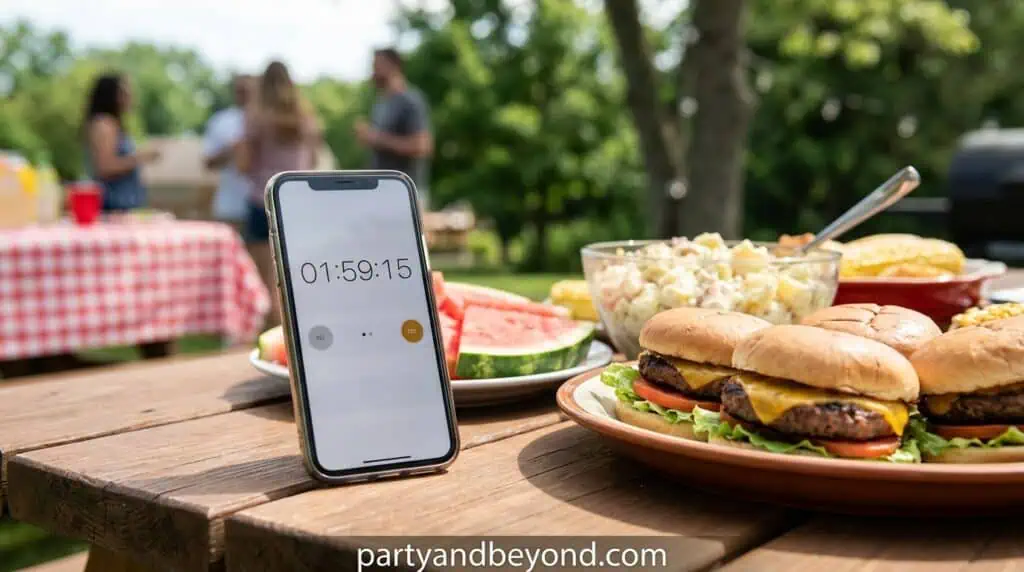
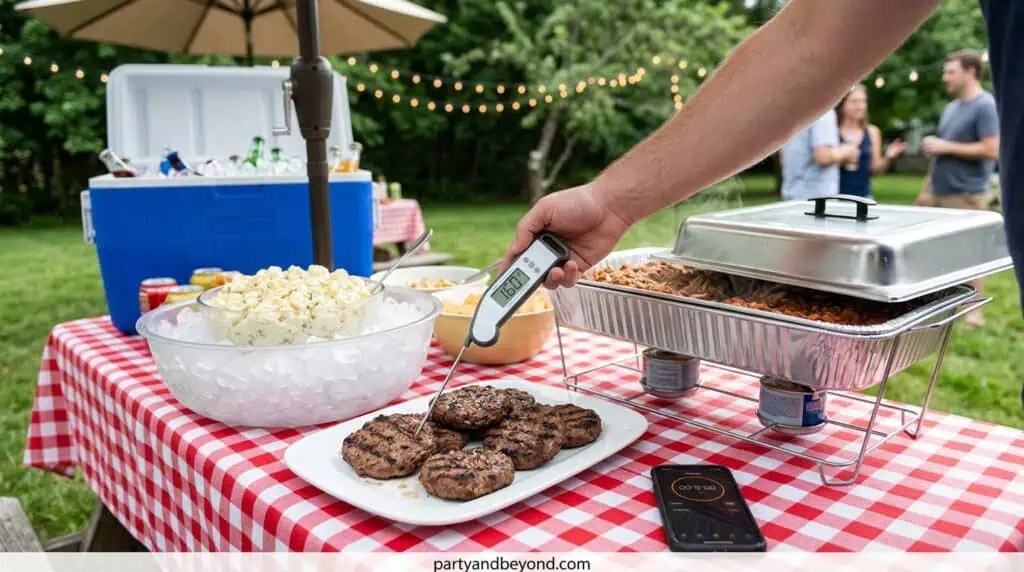
Keep perishable food out no longer than 2 hours — and only 1 hour once it’s above 90°F, which is normal on the 4th. Cook to safe internal temperatures, keep cold food cold and hot food hot, and never mix raw and cooked.
The 2-hour rule (1 hour above 90°F Set a phone timer when the food hits the table instead of guessing.
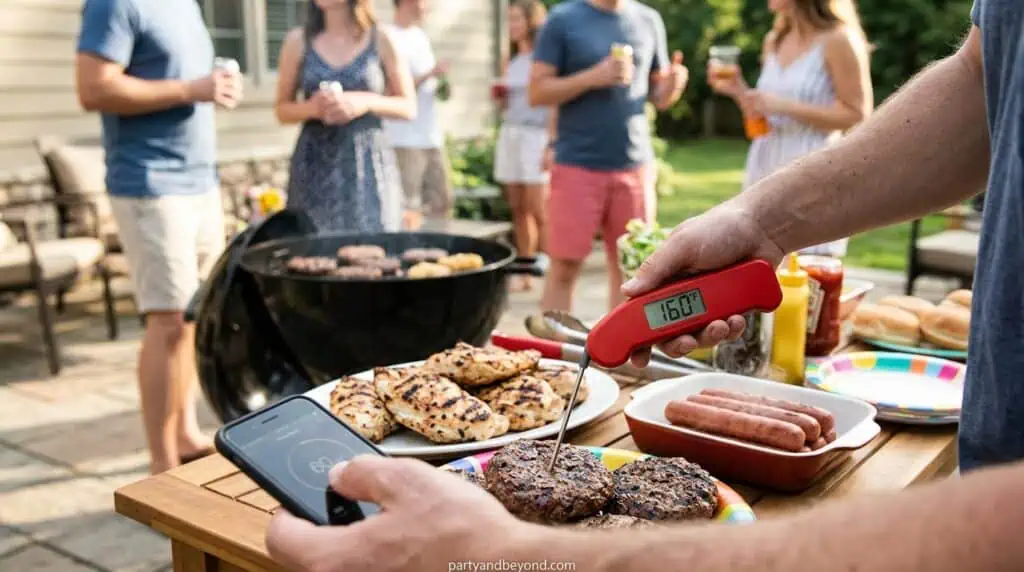
Cook to temp with a thermometer.
USDA safe internal temps: burgers 160°F, chicken 165°F, hot dogs heated until steaming hot. A $10 instant-read thermometer is the cheapest insurance at the party.
Cold stays cold, hot stays hot. Coolers below 40°F, hot dishes above 140°F. Keep mayo-based salads in the shade or on ice, never in direct sun.
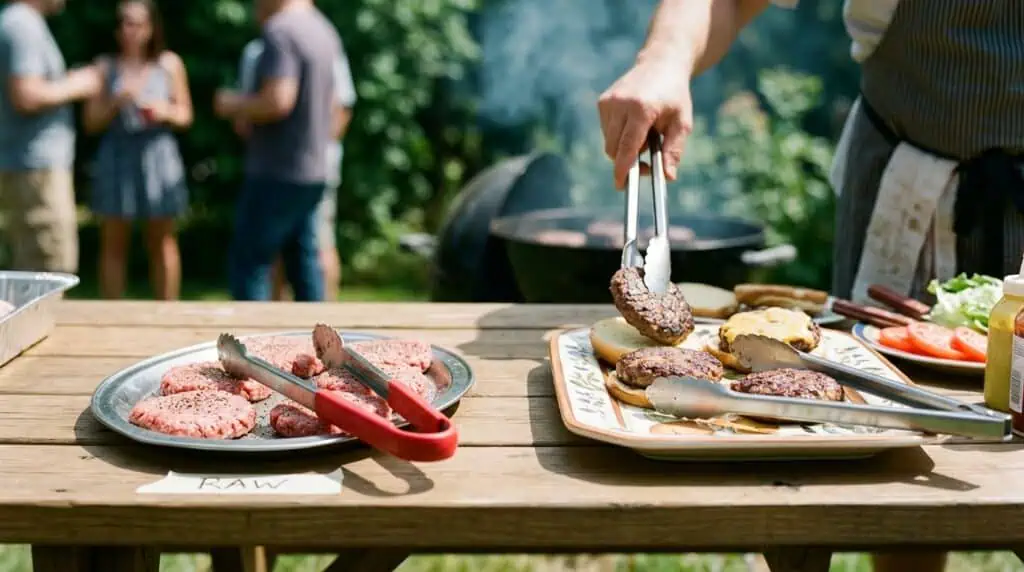
Separate raw from cooked.
Different plates and utensils — the platter that held raw burgers does not get the cooked ones put back on it.
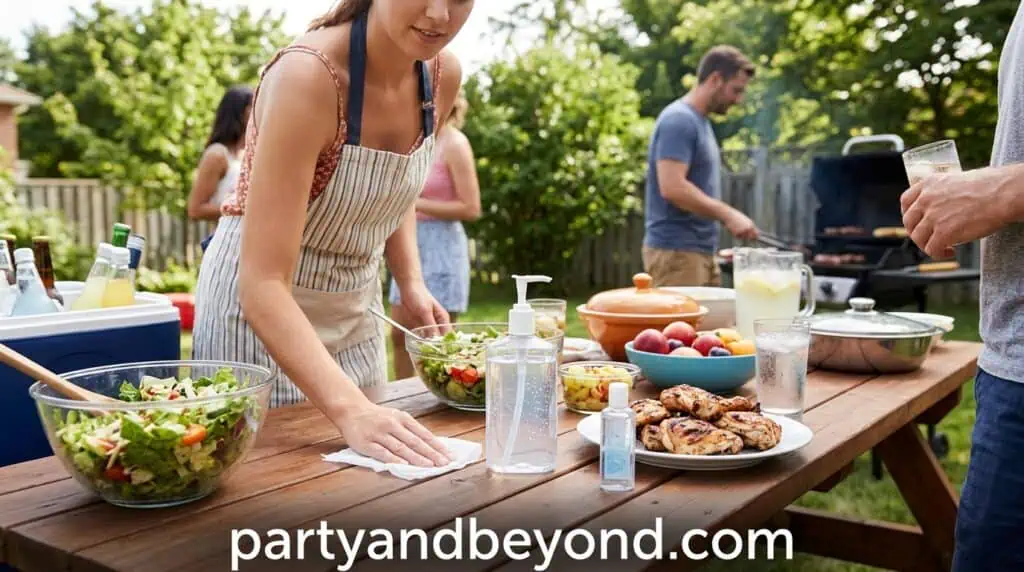
Wash hands and surfaces, and keep hand sanitizer near the food for outdoor setups far from a sink.
How do I keep kids safe at a 4th of July party?
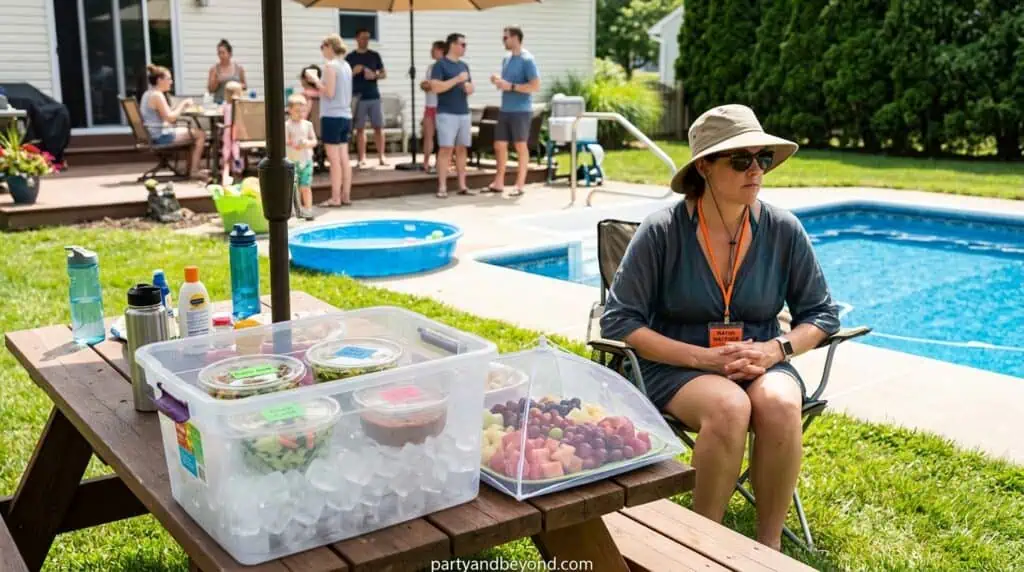
Assign one phone-free “water watcher” for any pool, keep kids well back from fireworks, and stay ahead of the heat with shade, sunscreen, and water breaks. Naming a single person for each job is what actually prevents accidents.
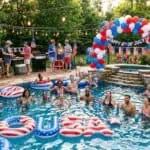
Assign a “water watcher.” For any water — pool, hot tub, even a kiddie pool — one adult’s only job is watching it. No phone, no side conversations. Drowning is silent and fast. Rotate every 15–20 minutes and hand off the role out loud.
Keep kids back from fireworks,
well behind the launch line, with one adult per child for any sparkler.
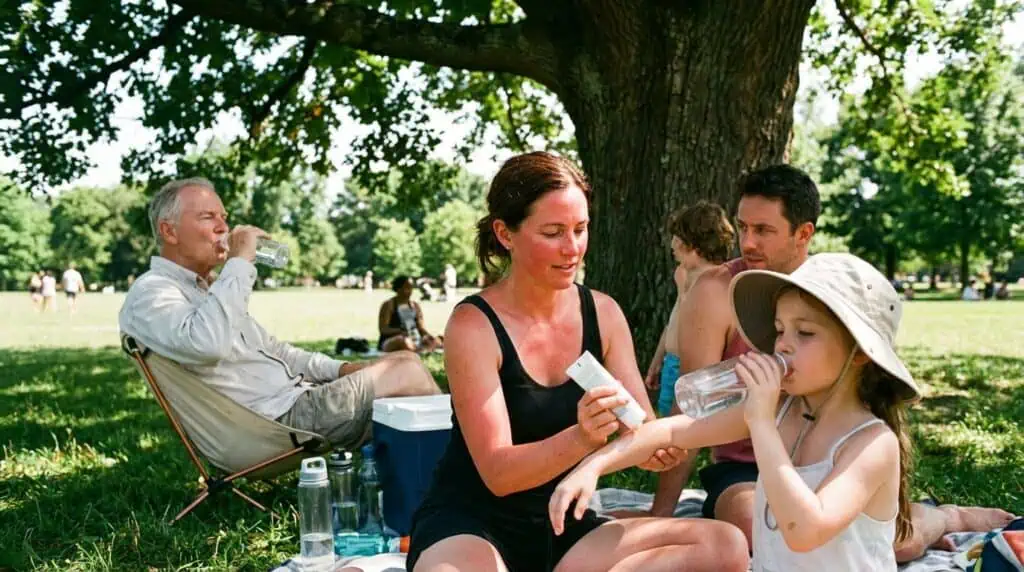
Beat the heat. Shade, sunscreen reapplied every 2 hours, and water breaks. Watch for heat-exhaustion signs: dizziness, headache, clammy skin, sudden crankiness.
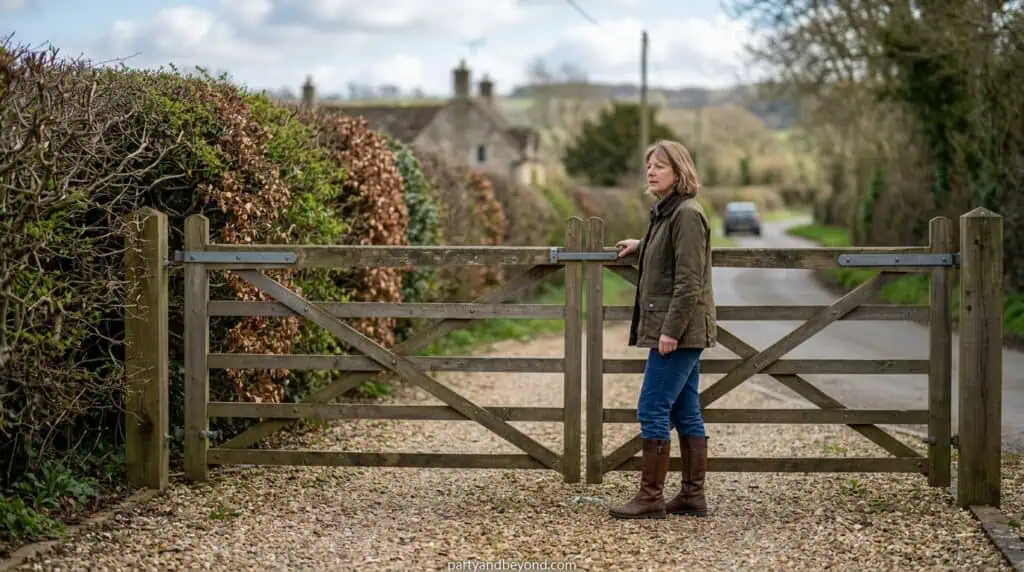
Mind the gate. If your yard opens onto a road, give one person door-and-gate duty.
General Host Safety
The grill. Stable surface, at least 10 feet from the house, never unattended, with baking soda or an extinguisher nearby and a 3-foot kid-free zone around it.
Alcohol. Keep water and food flowing so guests pace themselves, and line up sober rides before the first drink is poured.
Pets. Bring dogs inside before fireworks start — the noise terrifies them and a panicked dog bolts. Watch the ground for dropped skewers, corn cobs, and bones.
First aid. Keep a basic kit with burn gel and bandages, and know your nearest urgent care or ER before you need it.
Pro tip: The most underrated safety tool at any 4th of July party isn’t a fire extinguisher — it’s the drink-and-snack station. Hydrated, fed guests pace themselves naturally, which quietly heads off half the problems before they start.
Pro tip: Never say “everyone keep an eye on the kids.” Assign named people to named jobs — water watcher, fireworks person, grill person. “Everyone’s responsible” is a polite way of saying nobody is.
Food Safety Quick Reference
Item / situation
Safe number
Source
Food out (under 90°F)
2 hours max
USDA
Food out (above 90°F)
1 hour max
USDA
Ground beef burgers
160°F internal
USDA
Chicken / poultry
165°F internal
USDA
Cold food held
Below 40°F
USDA
Hot food held
Above 140°F
USDA
Fireworks spectator distance
35+ feet
Fire-safety guidance
Common Mistakes to Avoid
Relighting a dud firework instead of soaking it and walking away.
Letting food ride past the 1-hour mark in real heat because it “looks fine.”
Treating sparklers as harmless — they’re the most underestimated burn hazard of the day.
A “group” watching the pool, which means no single person actually is.
Setting the grill too close to the house or stepping away “just for a sec.”
🎉 Quick Summary
✅ Best for: anyone hosting a backyard 4th of July party
🎆 Fireworks: one sober adult, 35-ft zone, water bucket, never relight a dud
🧒 Kids: phone-free water watcher, sparkler supervision, heat breaks
📌 Don’t skip: assign named people to named jobs
Frequently Asked Questions
How long can food sit out in the heat on the 4th of July?
Perishable food can sit out for a maximum of 2 hours, and only 1 hour once the temperature is above 90°F — which is common on the 4th. After that, bacteria multiply to unsafe levels. Set a phone timer when the food hits the table so you’re not guessing.
What temperature should I grill burgers and chicken to?
Cook ground-beef burgers to an internal temperature of 160°F and chicken to 165°F, per USDA guidance, checked with an instant-read thermometer rather than by sight. Hot dogs should be heated until steaming hot throughout.
Are sparklers safe for children?
Sparklers are safe only for older children with one-on-one adult supervision, held at arm’s length and dropped into water when done. They burn hot enough to cause serious burns and ignite clothing, so younger children should be given glow sticks instead.
How far back should spectators stand from fireworks?
Spectators should stand at least 35 feet back behind a cleared launch zone. One sober adult should run the fireworks while everyone else, especially children, stays behind that line.
What should I do with a firework that doesn’t go off?
Never relight a dud firework. Wait 15–20 minutes in case it’s slow to ignite, then soak it thoroughly in a bucket of water before disposing of it. Relighting is one of the most common causes of serious fireworks injuries.
How do I keep kids safe around a pool at a party?
Assign one adult as a dedicated “water watcher” whose only job is watching the water — no phone, no conversations. Drowning is silent and fast, so rotate the role every 15–20 minutes and hand it off out loud so there’s never a gap in supervision.
What are the signs of heat exhaustion to watch for?
Watch for dizziness, headache, heavy sweating with clammy or pale skin, nausea, and sudden crankiness — especially in kids. Move the person to shade, give cool water, and cool them down. If symptoms worsen or include confusion, seek medical help right away.
How far should the grill be from the house?
Keep the grill on a stable surface at least 10 feet from the house and any structures, never leave it unattended, and keep baking soda or a fire extinguisher within reach. Maintain a 3-foot kid-free and pet-free zone around it.
How do I keep my dog safe during fireworks?
Bring dogs indoors before fireworks start, since the noise terrifies them and a panicked dog can bolt or be injured. Create a quiet space with background noise, and watch the party floor for dropped skewers, corn cobs, and bones they could swallow.
Is it safe to do fireworks at home?
Home fireworks can be done more safely with a sober operator, a 35-foot cleared zone, water on hand, and strict one-at-a-time lighting — but the safest option is always a professional community show, where someone else carries all the risk. Check your local laws first, as many areas restrict consumer fireworks.
People Also Ask
What is the most common 4th of July injury?
The most common injuries during 4th of July celebrations are fireworks-related burns, hand injuries, and eye injuries. Among all types of fireworks, sparklers are surprisingly one of the biggest causes of injuries, especially in children, because they burn at extremely high temperatures and are often considered “safe” when they are not.
Many accidents also happen when fireworks are handled too closely, used incorrectly, or relit after failing to ignite. This is why basic safety rules are so important, including keeping a safe distance, never relighting a “dud” firework, and ensuring constant adult supervision. Even small fireworks can cause serious harm if safety is ignored, so caution is essential throughout the celebration.
Should alcohol and fireworks ever mix?
No — alcohol and fireworks should never be combined under any circumstances. The person handling or lighting fireworks must be fully sober, alert, and able to react quickly in case something goes wrong. Alcohol slows reaction time, reduces coordination, and increases risky behavior, all of which significantly raise the chance of accidents.
To keep celebrations safe, it’s best to separate drinking areas from fireworks setup areas and clearly assign a responsible sober adult to manage all fireworks activity. Providing food, water, and non-alcoholic drink options helps keep guests comfortable while reducing overconsumption. It’s also important to arrange safe transportation or designated drivers in advance, so everyone gets home safely after the event.
What should be in a party first-aid kit?
A proper 4th of July party first-aid kit should be prepared to handle minor burns, cuts, and common outdoor injuries. Essential items include burn gel or burn dressings, sterile gauze pads, adhesive bandages in multiple sizes, antiseptic wipes, and medical tape. Tweezers are also useful for removing small debris like splinters or firework fragments.
It’s smart to also include basic pain relief medication, antihistamines for allergic reactions, and disposable gloves to maintain hygiene while treating injuries. In addition to supplies, you should keep emergency information on hand, including the address and phone number of the nearest urgent care center or hospital. Having a ready plan ensures you can respond quickly and calmly if any injury occurs during the celebration.
Conclusion
Hosting a 4th of July party can be a lot of fun, but it also comes with a few safety risks that shouldn’t be ignored. With fireworks, hot weather, outdoor cooking, and kids running around, things can get overwhelming if there’s no proper plan in place.
The good news is that most accidents can be prevented with simple steps. Keeping food safe in the heat, handling fireworks responsibly, and making sure children are always supervised can make a big difference. Small things like assigning clear roles, keeping water nearby, and following basic safety rules help everything run smoothly.
At the end of the day, a successful celebration isn’t about doing everything perfectly — it’s about being prepared enough so you can relax and enjoy the moment. With a little organization and awareness, your 4th of July party can be both safe and memorable for everyone.
Leah Meyer is a passionate event planner and creative writer behind Party & Beyond, where she helps hosts throw stunning celebrations on a real-world budget. From birthday parties and baby showers to backyard weddings and holiday gatherings, Leah personally tests every DIY idea she shares , proving that the wow factor lives in the details, not the price tag. When she's not planning the next party, you'll find her hunting for hidden treasures at dollar stores, inflating balloons (she owns three pumps!), or brainstorming with her dog, the official Chief Inspiration Officer of Party & Beyond.